Here’s What We Cover
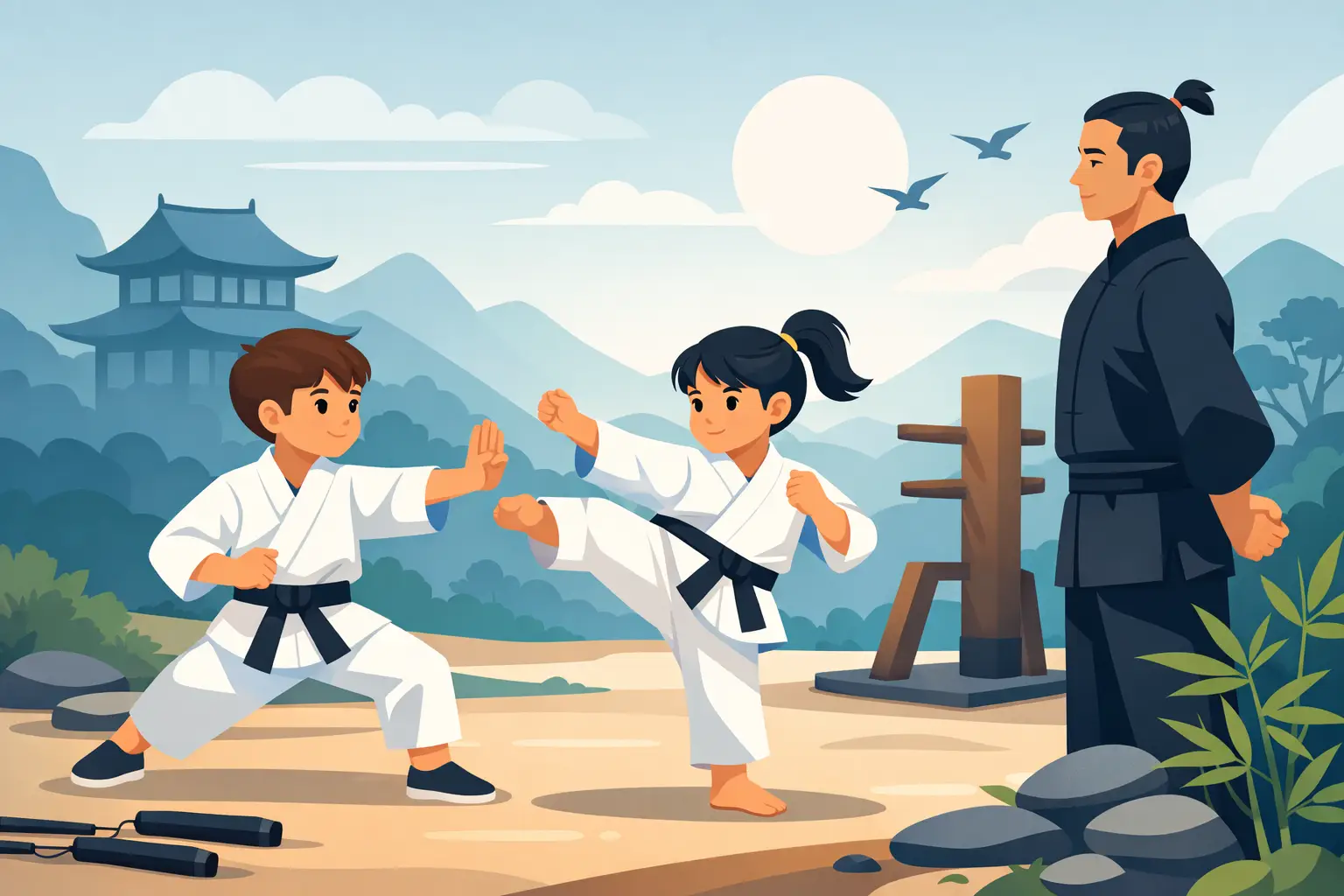
A lot of parents start looking at kung fu training for children after something has already gone wrong. Maybe their child has been picked on at school. Maybe confidence has dipped. Maybe too much time is being spent on screens and not enough moving, mixing or learning how to handle pressure. When that happens, parents are not usually looking for a hobby to fill an hour. They want something that genuinely helps.
That is where good martial arts training stands apart. Done properly, kung fu gives children far more than a few techniques. It teaches them how to carry themselves, how to listen, how to stay calm under pressure and how to keep going when something feels difficult. Those lessons matter at school, at home and later in life.
What children really gain from kung fu training
The obvious benefit is physical. Children move more, improve coordination and become fitter over time. For some, that is already a big win. If a child has spent years avoiding sport because they do not see themselves as naturally athletic, martial arts can feel different. Progress is personal. They are not being judged on whether they can score goals or win a race. They are learning skills step by step and seeing themselves improve.
The bigger change, though, is usually confidence. Not the loud sort. Real confidence is quieter. It shows up when a child stands straighter, speaks more clearly and stops shrinking away from challenge. Martial arts can help build that because children are asked to do difficult things in a structured setting, then shown that they can do more than they first thought.
Discipline is another major reason parents choose training. That does not mean being shouted at or forced into rigid behaviour for the sake of it. Good discipline means learning to pay attention, follow instruction, control emotions and respect boundaries. In a strong class, children understand that effort matters, attitude matters and progress is earned.
Is kung fu training for children good for behaviour?
It can be, but only when the coaching is right.
Some children need an outlet for energy. Others need help with focus. Some need both. Martial arts gives them a framework. There is a clear start and finish to each exercise, clear expectations and clear consequences if they switch off or become disruptive. For many children, that structure is exactly what they respond to.
That said, no activity is a magic fix. If a child joins a class once a week but hears mixed messages everywhere else, progress may be slower. The strongest results tend to happen when parents and instructors are pulling in the same direction. Respect, consistency and effort need to be reinforced both in class and at home.
The encouraging part is that many children do rise to that standard when it is presented well. They often enjoy being treated as capable. They like knowing what is expected and feeling that they are part of something disciplined and positive.
Confidence, bullying and self-defence
For many families, this is the heart of the matter.
Parents want their child to be safer. That is completely understandable. But there is a difference between teaching children to fight and teaching them how to protect themselves. Quality kung fu training should focus on awareness, control and practical response. It should help children recognise danger early, manage distance, use their voice and avoid escalation wherever possible.
That matters in anti-bullying situations. A child who looks alert, composed and harder to intimidate is often less likely to be targeted in the first place. Bullies tend to look for easy wins. Confidence changes how a child comes across.
If a situation does turn physical, children also need training that is realistic rather than theatrical. Fancy movements may look impressive, but they do not help much under pressure. Simple, repeatable skills are far more useful. Practical martial arts training gives children a clearer understanding of what to do, when to do it and, just as importantly, when not to.
What to look for in a children’s kung fu class
Not all classes are the same, and this matters more than the style name on the sign outside.
A good class should be structured, safe and well supervised. Children need clear instruction, sensible progression and an environment where they can be challenged without being overwhelmed. If a session is all noise and no focus, children may burn energy but they will not build much discipline. On the other hand, if the class is too rigid or intimidating, many beginners will switch off.
Look at how the instructor speaks to the children. Are they firm but encouraging? Do they correct poor behaviour without humiliating anyone? Do they explain why things matter? That coaching style makes a huge difference.
It is also worth paying attention to what the training is designed to do. Some martial arts schools lean heavily into tradition, patterns or performance. There is nothing wrong with that if it suits the family. But if your priority is confidence, resilience and practical self-defence, a more functional approach often makes more sense.
Why practical training matters more than flashy technique
Children do not need complicated systems. They need training that they can understand, repeat and apply.
That is one reason many parents are drawn to classes that focus on direct, effective movement rather than acrobatics or sport rules. A practical approach can help children develop timing, balance, reactions and controlled power without relying on size or strength. That is especially important for children who may feel physically outmatched by others.
At Fusion Kung Fu, that practical mindset is central. The aim is not to fill children’s heads with tradition for tradition’s sake. It is to teach skills that work, build resilience and help students develop in a realistic, grounded way.
Is every child suited to kung fu?
Not every child takes to it immediately, and that is normal.
Some children walk into a class and love it from day one. Others need a few weeks to settle. They may feel shy, unsure or worried about getting things wrong. A good instructor understands that and helps them build confidence gradually.
It also depends on the child’s temperament. If a child wants a fast-moving team sport with constant competition, martial arts may not be their first choice. If they need structure, personal progress and a clearer sense of control, it can be an excellent fit.
Parents should also be realistic about timescales. Confidence does not transform overnight. Neither does discipline. The children who benefit most are usually the ones who keep turning up. Small improvements, repeated over time, create the biggest change.
What parents can expect in the first few months
In the early stages, most children are learning the basics: how to stand properly, move with balance, listen, work with a partner safely and stay focused for longer periods. It may not look dramatic, but this stage is important. Strong foundations make everything else easier.
Within a few months, parents often notice changes outside class. Their child may seem more settled, more willing to try difficult things and less reactive when frustrated. Physical fitness usually improves as well, but many families value the mental shift even more.
There can be bumps along the way. Some children get frustrated when progress feels slow. Some have off days. That is part of training too. Learning to handle setbacks without quitting is one of the most useful lessons martial arts can teach.
Choosing the right club for your child
The right club should feel welcoming, but it should also feel serious about standards.
Parents should not have to choose between a friendly atmosphere and credible instruction. The best schools offer both. Children should feel supported from the start, especially beginners, but they should also understand that training has purpose. Respect matters. Effort matters. Safety matters.
If possible, watch how the class runs before making a decision. See whether the children are engaged. See whether the instructor has control of the room without turning it into a shouting match. See whether the training looks purposeful rather than random.
That first impression usually tells you a lot.
A strong option for modern family life
One reason kung fu training for children remains so valuable is that it answers problems many families are dealing with right now. Low confidence. Short attention spans. Too much sitting down. Poor resilience when things get hard. Martial arts will not solve everything, but it gives children a solid framework for growing stronger in all the areas that count.
For parents, that makes it more than an after-school activity. It becomes an investment in character, confidence and practical life skills. And for children, it can become the place where they start to realise they are more capable than they thought.
If you are considering classes, trust what you see rather than what sounds impressive. Look for calm authority, practical teaching and an environment where children are expected to improve, not just be entertained. The right training does more than keep them busy for an hour. It helps them grow into steadier, stronger versions of themselves.
About the Author: Keith Ratcliffe
