Here’s What We Cover
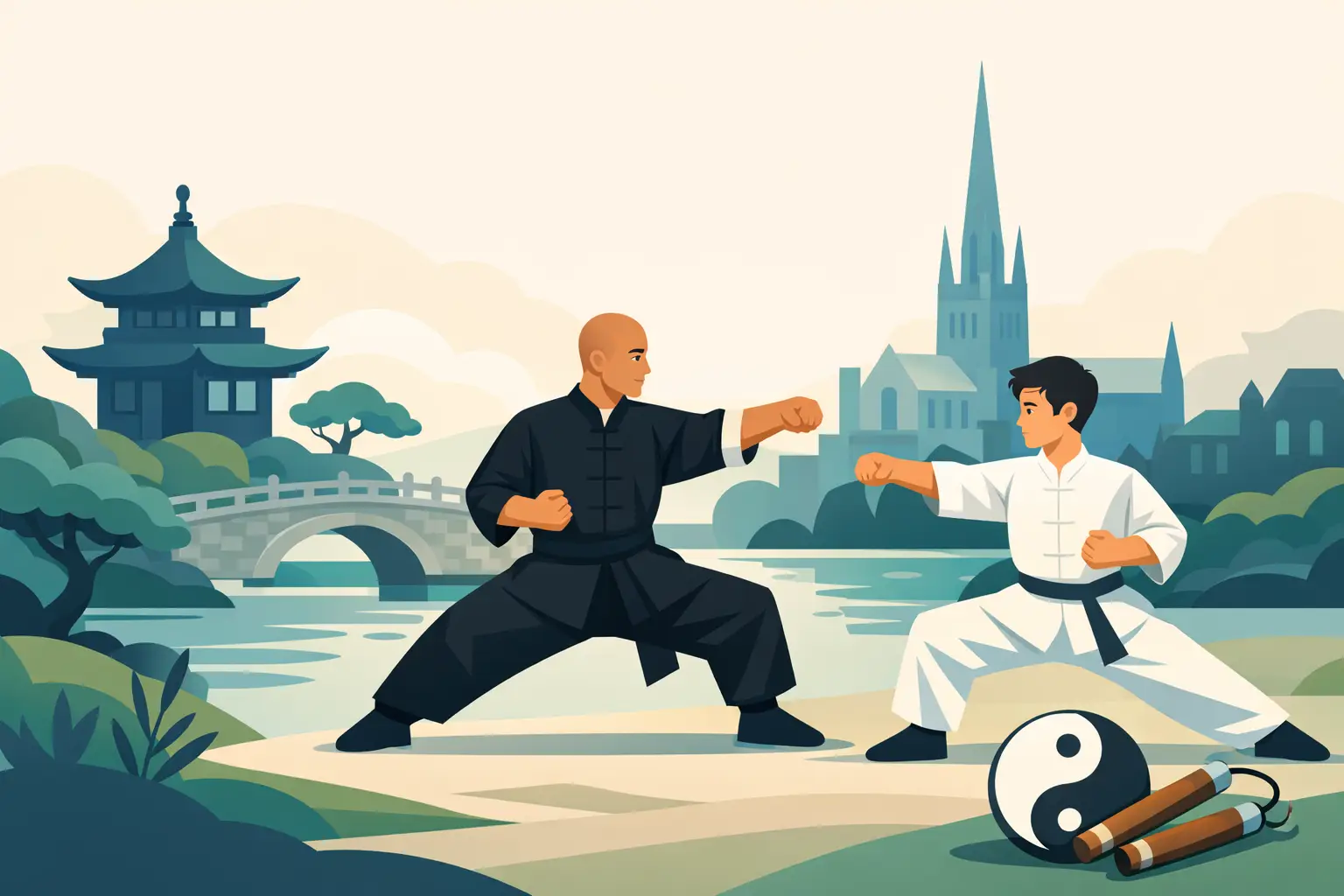
Most people looking at shiyong kung fu classes are not searching for something flashy. They want training that makes sense in real life. They want to feel fitter, sharper and more confident, and they want to learn from instructors who take self-defence seriously without making beginners feel out of place.
That is exactly where Shiyong Kung Fu stands apart. It is built around practical close-range fighting, not performance, not showmanship and not collecting techniques that look impressive but fall apart under pressure. For teenagers, adults and parents comparing martial arts options in Norwich, that difference matters.
What makes shiyong kung fu classes different?
Shiyong Kung Fu is a practical system. It takes Wing Chun foundations and combines them with useful elements from other martial arts to create a modern self-defence method. The aim is simple – teach people what works, strip away what does not, and build skill through structured training.
That makes it a strong fit for people who may have dismissed martial arts in the past. If you are not naturally athletic, if you do not want a sport-based environment, or if you are put off by rigid tradition, Shiyong offers a more direct path. Training focuses on timing, positioning, balance, reactions and controlled power rather than flexibility displays or complicated routines.
There is also a practical point that often gets overlooked. In a real confrontation, space is limited and situations develop quickly. Close-range skills become valuable very fast. A system designed for that range gives students something useful from the start, even while they are still developing fitness and confidence.
Who shiyong kung fu classes are for
These classes suit a wider range of people than many assume. Teenagers aged 13 and above can benefit from the structure, discipline and anti-bullying awareness that come with regular training. Adults often join because they want self-defence, stress relief or a better way to stay active than another short-lived gym routine.
Parents are often looking for more than exercise. They want their child to become more resilient, more focused and less likely to be intimidated by others. Adults tend to want similar outcomes for themselves, even if they phrase them differently. Confidence, calmness under pressure and better physical condition matter at every age.
What helps is that progress in this style is not reserved for the biggest or strongest person in the room. Good training improves awareness, body mechanics and decision-making. Strength helps, of course, but it is not the main requirement. Consistency matters more.
Practical self-defence without the theatre
A lot of martial arts marketing talks about self-defence, but not all training is equally relevant to modern situations. Some classes lean heavily into tradition. Others focus mainly on competition rules. Neither is automatically bad, but they are not always what beginners are actually looking for.
Shiyong Kung Fu takes a no-nonsense approach. Students train skills that are designed to be efficient, direct and realistic. That includes striking, close-range positioning, defensive reactions and the ability to stay composed when pressure rises.
Realistic does not mean reckless. Good self-defence training should be safe, progressive and well coached. Beginners need a clear route in. They should be challenged, but not overwhelmed. That balance is one of the most important signs of a good class.
Why beginners often stay with it
Many people worry they are starting too late or that they need a certain level of fitness before they walk through the door. In practice, that is rarely true. The right class is designed to build you up from your current level.
Beginners usually stay when they can feel the purpose behind what they are learning. Instead of copying long sequences with no clear application, they work on movements that connect directly to balance, defence, striking and control. That makes training more engaging, especially for people who want to understand why they are doing something.
There is another reason retention tends to be stronger in practical classes. Progress feels measurable. You notice your posture improving, your reactions becoming sharper and your confidence changing outside the training hall as well. You carry yourself differently. For many students, that is the moment martial arts becomes part of life rather than a short experiment.
Fitness, focus and confidence in one place
One of the strongest benefits of regular martial arts training is that it develops more than one area at once. Shiyong kung fu classes improve fitness, but not in the repetitive way some people find hard to stick with. Students build stamina, coordination, mobility and strength through purposeful drills and partner work.
Mental focus improves too. Learning technique demands attention, and pressure training teaches students to think clearly while moving. That can be especially valuable for teenagers managing school stress or adults trying to switch off from work and screens.
Confidence is often the biggest change of all. Not false confidence, and not aggression. Real confidence is quieter. It comes from knowing you can handle yourself better than you could a few months ago. It comes from being tested in training, improving steadily and earning your progress.
A good class should feel structured and welcoming
People often assume a serious martial arts club will be intimidating. It should not be. Standards can be high without the atmosphere becoming cold or unwelcoming.
The best classes combine discipline with support. Students should know what is expected of them, but they should also feel that they are being coached, not judged. That matters for first-time adults and nervous teenagers in particular. If someone is taking the step to try something new, the environment plays a major role in whether they return.
Structure is equally important. Classes should be organised by level where needed, with a clear progression from beginner through to more advanced training. One-to-one tuition can also be useful for students who want extra support, faster development or help working around specific limitations.
What parents should look for
If you are choosing martial arts training for a teenager, look past the surface. A class may sound impressive, but the real question is what your child will gain after months of steady attendance.
Practical skill matters, but so do character and consistency. Good coaching teaches discipline, self-control and respect alongside physical technique. It should also help students understand conflict, not glorify it. The right environment reduces the appeal of showing off and increases the value of calm, measured responses.
Parents should also look for accessibility. A teenager does not need to be sporty to begin. They need a safe introduction, patient coaching and a clear sense that improvement is possible. When that is in place, martial arts can become a powerful tool against low confidence, poor posture, inactivity and the social pressure that often comes with school life.
Training for adults who want something real
Adult beginners are often more hesitant than teenagers. They worry about being the oldest, the least fit or the least coordinated in the room. In reality, adult classes work best when they are built for real people with jobs, families and different starting points.
A practical system makes that easier. Adults tend to appreciate direct teaching, useful drills and training that respects their time. They do not want to spend months learning material that feels disconnected from self-defence. They want to improve, understand what they are doing and feel the benefits in everyday life.
That might mean better fitness and weight control for one person, stronger boundaries and self-belief for another, or simply a disciplined routine that clears the mind after a long day. The outcome depends on the individual, but the value is the same – training that gives something back every week.
Choosing the right place to start
If you are comparing clubs in Norwich, focus on what the training is really for. Ask whether the classes are practical. Ask whether beginners are supported properly. Ask whether the atmosphere is disciplined but welcoming.
A good club should make it easy to start. A free taster session removes the pressure and lets you see how the teaching feels before you commit. That first step matters because martial arts is not something you fully understand from reading about it. You understand it by training.
Fusion Kung Fu offers that kind of entry point, with structured classes for ages 13 and above, clear progression and a practical approach that stays focused on real-world effectiveness. For people who want martial arts without the gimmicks, that is a strong place to begin.
If you have been thinking about starting for a while, stop waiting for the perfect moment. The best time is when you are ready to try one class, ask honest questions and see what steady training could do for you.
About the Author: Keith Ratcliffe
