Here’s What We Cover
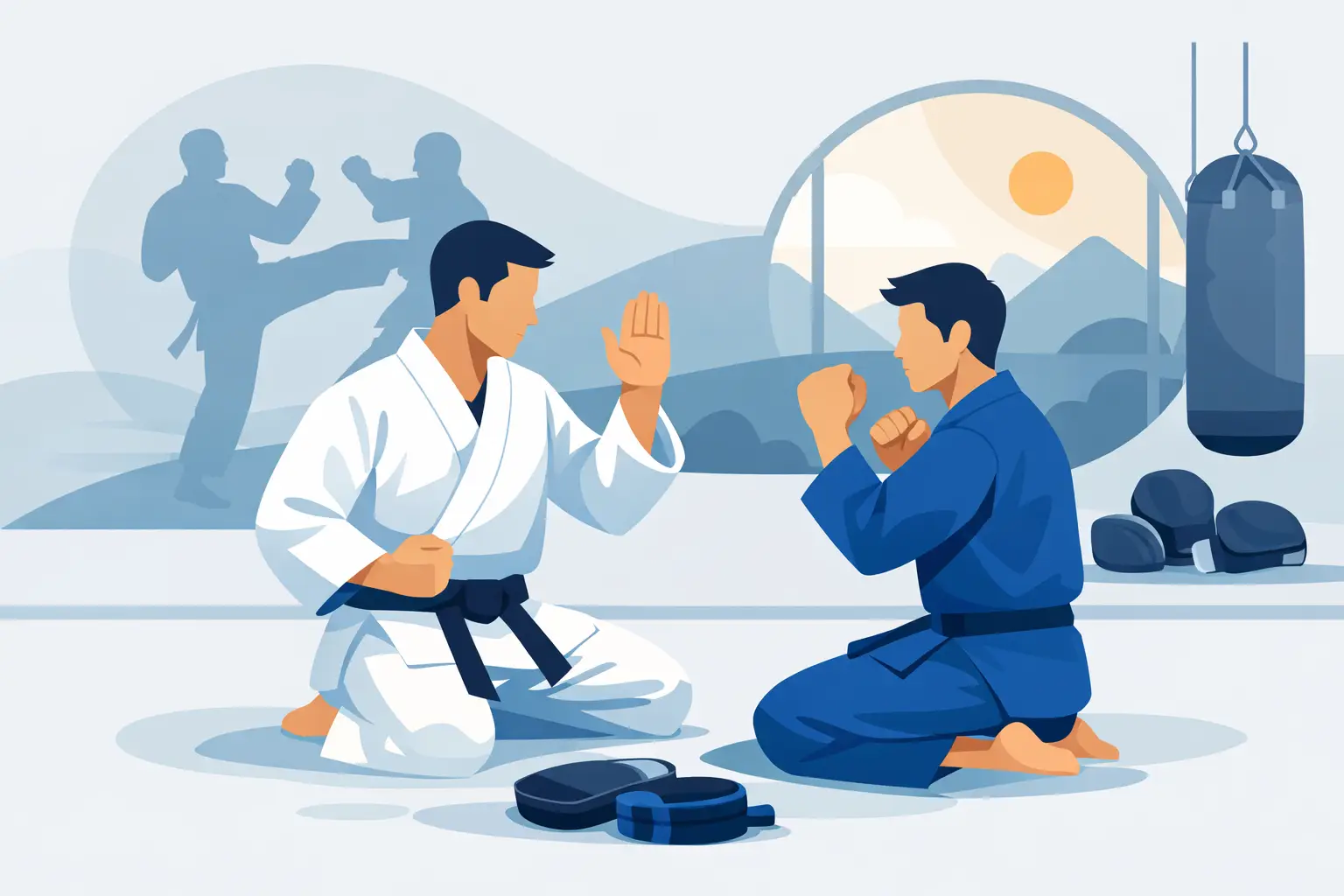
Some people walk into a martial arts class and settle in straight away. Others need a bit more time, a bit more attention, and a training pace that fits them properly. That is where one to one martial arts tuition can make a real difference.
Private training is not about making things easier. It is about making them clearer. Instead of trying to keep up with a full group, you get direct coaching on your stance, timing, balance, reactions and decision-making. For many beginners, that means less guesswork and more confidence from the start. For more experienced students, it means ironing out the small mistakes that hold back real progress.
What one to one martial arts tuition actually gives you
In a group class, an instructor has to balance the needs of everyone in the room. That works well for structure, consistency and shared energy. But private tuition gives you something different. It puts your training under a microscope.
If your footwork is off, it gets corrected quickly. If you are struggling with confidence, the session can slow down and build you back up properly. If you are physically capable but too tense, too hesitant or too reliant on strength, those habits can be addressed before they become hard to shift.
This is especially useful in practical martial arts. Real self-defence is not about learning long routines and hoping they work under pressure. It is about understanding distance, timing, movement and simple effective responses. Those things improve faster when coaching is personal, direct and honest.
Who benefits most from one to one martial arts tuition?
The short answer is almost anyone. The better answer is that it depends on what you need from training.
Beginners often choose private tuition because stepping into a martial arts school for the first time can feel intimidating. You might worry that you are unfit, too old, too stiff, or that everyone else will know what they are doing. A one-to-one session removes that pressure. You can learn the basics without feeling watched, rushed or compared.
Teenagers can benefit too, especially if they need help with confidence, discipline or focus. Some young people thrive in a class environment. Others do better when the instruction is more personal and the distractions are stripped away. If the goal is to build resilience and practical self-defence skills, private coaching can create a strong foundation.
Adults with specific goals also tend to get a lot from one-to-one training. That could mean improving fitness, learning self-defence, managing stress, or sharpening up existing technique. If your schedule is busy and your training time is limited, focused sessions can make every hour count.
Then there are students who already attend classes and want extra help. This is often where private tuition delivers the biggest jump in ability. Group classes build consistency. One-to-one coaching polishes detail. Used together, they can be a very effective combination.
Faster progress, but not magic
One of the biggest reasons people look at private martial arts training is speed. They want to improve quickly, and fairly enough. When you have direct feedback throughout the session, you usually progress faster than you would by relying on occasional corrections in a class.
That said, faster progress does not mean instant results. Good training still takes effort, repetition and patience. One-to-one coaching can shorten the learning curve, but it cannot replace commitment. If anything, private tuition makes that more obvious, because there is nowhere to hide. You are not blending into the room. You are working.
That is a good thing. Honest coaching helps students understand what they are doing well and what still needs attention. It keeps training grounded in reality, not ego.
Why private coaching suits practical self-defence
When people say they want to learn self-defence, they usually mean something simple. They want to feel safer. They want to know how to react under pressure. They want skills that make sense in the real world, not just in a display or competition setting.
That is why personal coaching works so well in a practical system. Close-range defence, quick reactions, positioning and controlled aggression are all easier to teach when the session is built around one student at a time. The instructor can adapt drills to suit height, build, experience and confidence level. That matters because real self-defence is never one-size-fits-all.
A smaller student may need to focus more on timing, angles and escaping pressure rather than trying to meet force with force. A stronger student may need to stop relying on power and learn economy of movement. Someone returning after years away from training might need to rebuild basics safely and steadily. Private tuition allows for that level of adjustment.
One to one martial arts tuition vs group classes
This is not really a question of which is better overall. It is a question of which is better for your current stage.
Group classes bring energy, variety and community. They help students learn to work with different people, manage pressure, and stay consistent over time. They are also a good fit for those who enjoy shared progress and regular weekly structure.
One to one martial arts tuition gives you precision. The pacing is tailored to you. The feedback is immediate. The lesson can spend twenty minutes fixing one problem if that is what will move you forward. In a class, that is rarely practical.
For some people, private sessions are the best starting point before joining regular classes. For others, they are the ideal extra layer alongside class training. And for those with unusual schedules or very specific goals, one-to-one tuition may be the best main option.
The trade-off is simple. Group classes offer broader training exposure and a social training environment. Private coaching offers sharper individual development. Neither is automatically right for everyone.
What to expect from a good private session
A proper one-to-one martial arts session should feel focused, safe and purposeful. It should not be a random collection of techniques. You should come away understanding what you worked on, why it matters and how to improve it.
A good instructor will normally start by assessing your level, movement and goals. From there, the session should be shaped around what you actually need rather than what looks impressive. That might mean stance work, basic striking mechanics, defensive reactions, pad drills, close-range movement or pressure-based exercises.
If you are a beginner, the teaching should be clear and accessible. You do not need to be drowned in jargon. You need straightforward coaching that helps you build skill and confidence. If you are more advanced, the detail should get tighter. The standards should rise with you.
Most importantly, private tuition should leave you better organised in your own head. Better balance. Better understanding. Better decisions under pressure.
Why adults and parents often choose this route
Adults are often balancing work, family and tiredness before they even think about training. They do not want fluff. They want something useful, structured and worth the time. Private martial arts tuition appeals because it removes wasted effort. You get direct coaching and a session built around real progress.
Parents often look at it from a different angle. They want their teenager to become more confident, more disciplined and less likely to freeze under pressure. They also want training to be safe, sensible and led by someone who understands how to coach people, not just show off skill.
That is a big distinction. Good martial arts teaching is not about intimidating people into improvement. It is about building them up properly, with standards and encouragement working together.
At Fusion Kung Fu, that practical coaching mindset matters. Students are taught skills that are relevant, structured and rooted in what works, without the unnecessary theatre that puts many people off martial arts in the first place.
Is private tuition worth it?
If you want personalised attention, clear improvement and training built around your needs, yes, it often is. Especially if you are new, short on time, returning after a break, or serious about making progress.
If you mainly want a social hobby and enjoy learning in a wider group, classes may be enough on their own. If you want both steady structure and accelerated development, combining the two often gives the best results.
The right choice comes down to your goal. Not everyone needs one-to-one coaching. But many people benefit from it far more than they expect once they experience training that is fully focused on them.
The best martial arts training is not the one that looks the flashiest. It is the one that helps you become calmer, sharper and more capable in real life.
About the Author: Keith Ratcliffe
