Here’s What We Cover
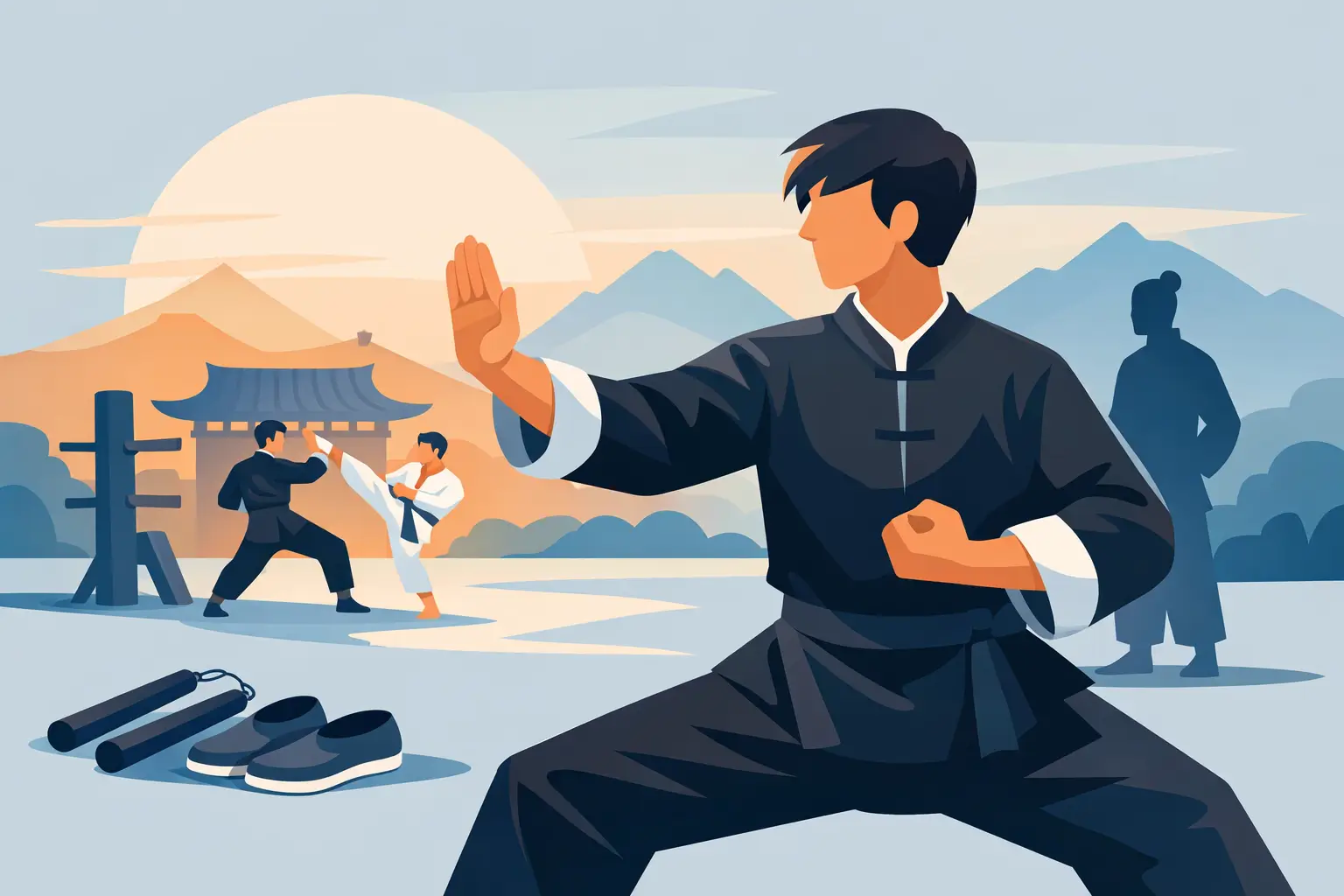
Most people don’t put off martial arts because they lack interest. They put it off because they assume they need to be fitter, tougher or more naturally coordinated before they begin. If you’ve been wondering how to start kung fu, the truth is much simpler. You start by finding the right class, turning up as you are, and training consistently.
That matters because good Kung Fu training is not built for the already confident. It is built to develop confidence, discipline, awareness and practical skill over time. Whether you are a parent looking for something positive for your teenager, or an adult who wants real self-defence and better fitness, the first step is not being ready. The first step is getting started properly.
How to start kung fu without overthinking it
Beginners often imagine that Kung Fu starts with flashy techniques or long forms. In a well-run club, it starts with basics that make sense. You learn how to stand, move, strike, defend yourself at close range and stay balanced under pressure. That may sound simple, but simple done well is what builds real ability.
This is where many people get the wrong idea about martial arts. Some clubs lean heavily into tradition, performance or ritual. There is nothing wrong with tradition in itself, but if your goal is practical self-defence, fitness and steady progress, you need training that focuses on what works. That means clear coaching, structured classes and techniques that suit real people in real situations.
A good beginner class should not expect you to know anything on day one. It should give you a clear path from complete beginner to confident student, without making you feel out of place.
What to look for in your first Kung Fu class
The right club makes all the difference. If you choose well, starting feels straightforward. If you choose badly, you may spend months confused, frustrated or wondering whether Kung Fu is for you at all.
Look first at how the club teaches beginners. Are new starters shown the basics properly, or left trying to copy more experienced students? A strong beginner programme should be structured, safe and easy to follow. You should know what you are learning and why you are learning it.
Next, pay attention to the purpose of the training. Some people want a traditional art for personal interest. Others want practical self-defence, improved fitness, sharper focus or support with confidence. None of those goals are wrong, but they are not identical. If you want realistic skills, make sure the training reflects modern situations rather than theatrical movement or point scoring.
The atmosphere matters as well. Serious training should still be welcoming. You want instructors who are disciplined and knowledgeable, but also patient with beginners. That is especially important for teenagers and adults who may feel nervous about walking into a martial arts class for the first time.
Do you need to be fit before you begin?
No. You need to be willing to begin.
Fitness helps, of course, but it is a result of training, not a requirement for it. Many people start Kung Fu because they want to improve stamina, mobility and general health. Waiting until you are already fit usually means waiting far too long.
The same goes for strength and body type. Effective Kung Fu training should not depend on being the biggest or fastest person in the room. Good mechanics, timing, positioning and repetition matter more. A practical system should help students learn how to use their bodies efficiently, rather than relying on brute force.
That is one reason Kung Fu appeals to such a wide range of students. Teenagers can benefit from the discipline and confidence it builds. Adults can benefit from the stress relief, focus and self-defence value. You do not need an athletic background to make progress. You need consistency and the right coaching.
What happens in a beginner session?
Your first lesson is usually much less intimidating than you expect. Most beginner sessions include a warm-up, movement drills, fundamental techniques and partner work at a controlled level. The aim is not to test you. The aim is to introduce the foundations safely and clearly.
You may work on stance, posture, footwork, striking lines, defensive reactions and distance. In a practical close-range system, you are likely to spend time learning how to stay stable, protect yourself and respond efficiently under pressure. These are not glamorous skills, but they are the ones that matter.
You should also expect correction. That is a good sign. A quality instructor will not leave beginners to repeat poor habits. Small adjustments early on can make a big difference later.
At the same time, progress should feel achievable. You should leave your first class feeling challenged, but not overwhelmed. If everything seems needlessly complicated from the start, that may be a sign the teaching is not geared towards beginners.
How to start kung fu if you feel nervous
Feeling nervous is normal. In fact, it is one of the most common reasons people delay booking a first session.
Adults worry they will look foolish. Teenagers worry they will not keep up. Parents worry their child may feel intimidated. Those concerns are understandable, but in a good club, beginners are expected. No one sensible judges a new starter for not knowing what to do on day one.
The best way through that nerves barrier is to keep the decision simple. Book a taster session. Wear comfortable training clothes if required. Arrive a few minutes early. Listen carefully. Ask questions if anything is unclear. Then focus only on the session in front of you, not on where you think you should be in six months.
Confidence grows through action. Not through waiting.
Choosing a style that fits your goals
Not all Kung Fu training is the same. That is worth understanding before you commit.
Some schools focus more on forms, tradition and preserving a system in its original format. Others place greater emphasis on self-defence application, close-range movement and modern relevance. If your main goal is practical protection, you should look for a method that addresses realistic attacks, pressure and distance rather than performance.
For many beginners, a practical system with clear structure is easier to stick with because the benefits are obvious. You can feel your movement improving. You can see your reactions becoming sharper. You can understand how the training applies outside the class.
That does not mean every student wants the same thing. Some are there mainly for fitness. Some want discipline and focus. Some want an activity that helps them step away from screens, work stress or low confidence. The right class should support all of that, while still giving you honest martial arts training.
What you should bring to training
You do not need expensive gear to begin. Most clubs will tell you exactly what is required for a first session, and it is often just comfortable clothing that allows you to move freely. Once you join, there may be a uniform or club kit, but that comes later.
What matters more is what you bring mentally. Be coachable. Be patient. Be prepared to repeat basics more than once. Beginners sometimes want to rush ahead to advanced techniques, but strong fundamentals are what make those advanced techniques work.
It also helps to train with realistic expectations. Progress is rarely dramatic from week to week. It is steady. One class you feel more balanced. Another week your reactions improve. A month later you notice you are calmer under pressure. Those changes are real, even when they arrive gradually.
Starting as a parent, teenager or adult
Your reasons for starting may shape the kind of class that suits you best.
For parents, the priority is often confidence, discipline and anti-bullying awareness. Martial arts can help young people carry themselves better, respond more calmly and build resilience in a structured environment. The key is finding tuition that is supportive but firm, and focused on development rather than ego.
For teenagers, Kung Fu can provide direction as well as physical training. It offers routine, challenge and progress that has to be earned. That can be especially valuable in a world full of distractions and short attention spans.
For adults, the appeal is often a mix of self-defence, fitness and mental clarity. Many start later than they expected and quickly realise they were capable of far more than they thought. At Fusion Kung Fu in Norwich, that practical and welcoming approach is exactly what helps many beginners take the first step.
The best time to begin
There is always a reason to delay. Work is busy. School runs are hectic. You want to get fitter first. You will wait until next month.
But if you are serious about learning, there is no ideal moment arriving in the post. The best time to start is when you are ready to stop wondering and start training. A good class will meet you where you are now, not where you think you ought to be.
If Kung Fu appeals to you because you want practical self-defence, better fitness, stronger focus or more confidence, trust that instinct. Start with one session. Learn the basics properly. Give yourself permission to be new. Often that is the step that changes far more than your fitness.
About the Author: Keith Ratcliffe
