Here’s What We Cover
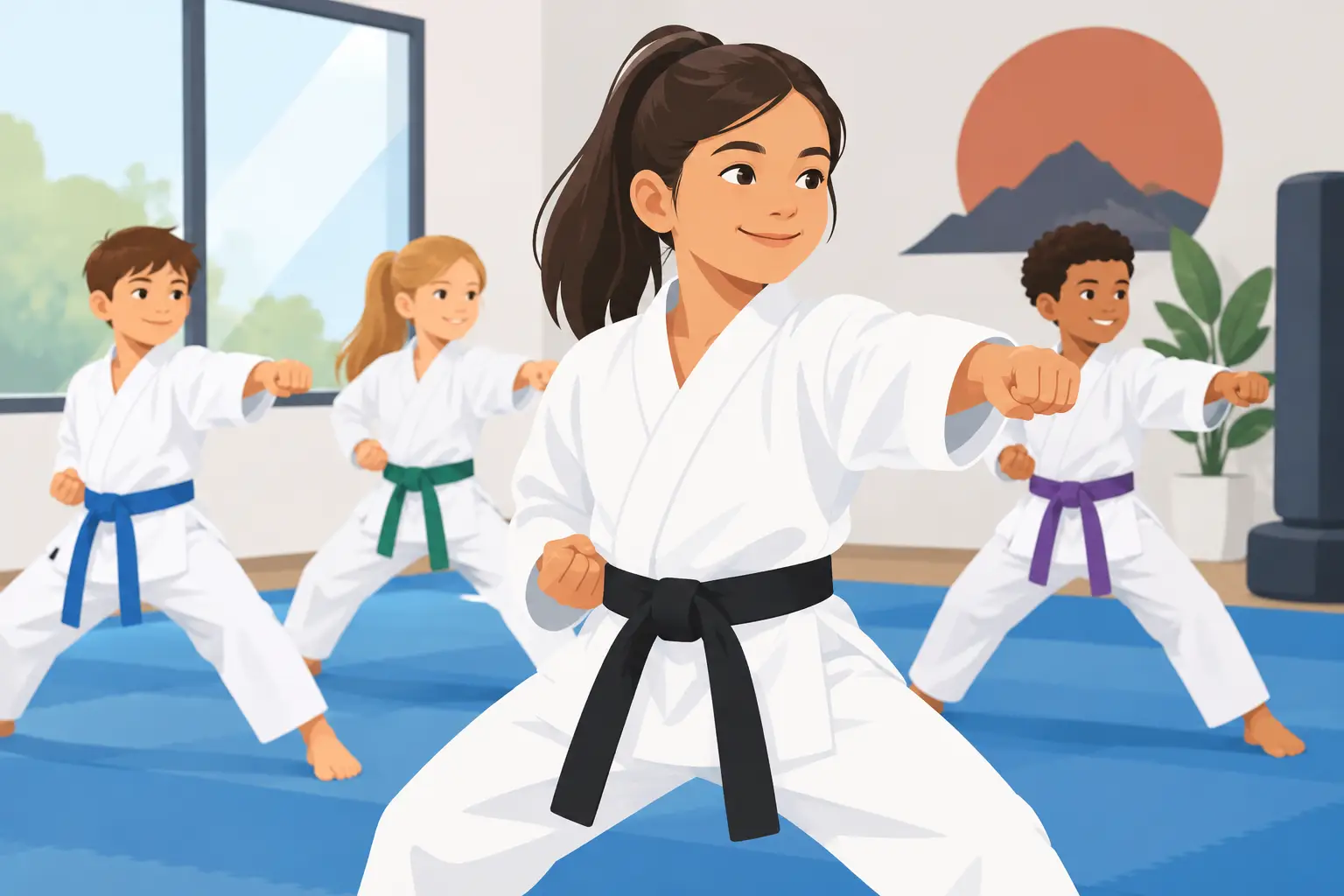
The final bell can signal the start of hours spent scrolling, gaming or drifting through homework with little energy left for anything else. Martial arts classes after school offer a better use of that time: a place where teenagers can move, focus, learn practical skills and finish the evening with a genuine sense of achievement.
For young people aged 13 and above, after-school training is not about becoming a film-style fighter or winning trophies. It is about developing calm confidence, stronger habits and realistic self-defence skills in a structured environment. The right class gives students a challenge they can grow into, whatever their current fitness level or previous experience.
Why martial arts classes after school make a difference
School puts real pressure on teenagers. There are lessons, deadlines, social expectations and, for some, the difficult reality of bullying or feeling left out. A good martial arts class gives them a clear space away from those pressures. They are not judged by their popularity, exam results or sporting background. They are there to train, improve and be part of a respectful team.
That change of environment matters. Students learn to listen carefully, control their movements and keep going when a technique takes time to understand. These are simple lessons, but they carry into everyday life. A teenager who learns that progress comes from regular effort is better placed to handle a tough subject at school, a setback at work or an uncomfortable social situation.
After-school training also creates a useful routine. Rather than trying to persuade a teenager to exercise because it is “good for them”, martial arts gives movement a purpose. Every drill, pad exercise and partner technique has a reason. Fitness improves along the way, but students are motivated by learning something they can feel themselves getting better at.
Confidence without the bravado
Confidence is often misunderstood. It is not about being loud, acting hard or trying to dominate other people. Real confidence is being able to stay composed, speak clearly and make sensible choices when things feel uncomfortable.
Martial arts training builds that confidence through practice. At first, a student may feel awkward learning a stance, coordinating a combination or working with a partner. With patient coaching and repetition, those movements become familiar. Each small improvement provides proof that effort works.
This is particularly valuable for teenagers who avoid team sports because they worry about letting others down or do not see themselves as naturally athletic. In Kung Fu, progress is personal. Students still train alongside others and benefit from the group, but they are measured against their own starting point. Strength, size and body weight are not the deciding factors in learning effective close-range self-defence.
There is a trade-off, of course. Confidence does not appear after one session. It is earned through regular attendance, concentration and a willingness to be corrected. That is exactly why it lasts. A student who has worked through the early nerves of training gains more than a temporary boost – they gain belief in their ability to deal with challenge.
Practical self-defence for real situations
Parents rightly want to know what their child is actually learning. A useful after-school martial arts class should go beyond choreographed routines or techniques that only work when both people cooperate perfectly. It should teach awareness, positioning, control and simple responses that make sense under pressure.
At Fusion Kung Fu, Shiyong Kung Fu is built around practical close-range training. It takes Wing Chun foundations and combines them with useful elements from other martial arts, without adding tradition for tradition’s sake. The focus is on fast, effective movements and sound decision-making that are relevant to modern life.
For teenagers, practical self-defence starts before any physical technique. It includes recognising risky situations, keeping distance where possible, using a clear voice and understanding when leaving is the safest choice. Training should never encourage a young person to seek confrontation. The goal is to avoid trouble where possible and have the confidence and skills to protect themselves if they cannot.
Partner work is taught in a controlled setting, with clear rules and respect for one another. Students learn that power without control is not skill. They practise responding thoughtfully rather than panicking, and they understand that self-defence is about staying safe, not proving something.
A positive answer to bullying concerns
Bullying is not always obvious. It can be physical, verbal, social or carried through group chats and social media. While martial arts cannot solve every part of the problem, it can give a teenager a stronger foundation from which to respond.
Training helps students stand taller, make eye contact and speak with more certainty. Those changes can affect how they feel about themselves and how they are perceived by others. Just as importantly, a respectful club environment shows them what healthy boundaries look like. They learn to treat training partners properly and to expect the same respect in return.
If a young person is dealing with bullying, parents should still involve the school and follow the appropriate safeguarding process. Martial arts is not a replacement for that support. It can, however, provide a constructive outlet for stress and a regular reminder that they are capable, supported and not defined by someone else’s behaviour.
Fitness that does not feel like a chore
Teenagers do not need to arrive already fit to start martial arts. Beginners may find the first few classes demanding, particularly if they have spent a lot of time sitting at a desk or in front of a screen. That is normal. Training can be adapted as fitness, coordination and stamina develop.
A well-planned class improves cardiovascular fitness, balance, mobility, core strength and coordination. It also asks students to think while they move. They have to remember sequences, notice their partner’s position and apply instruction with care. This combination of physical and mental effort is one reason martial arts remains engaging long after the initial novelty has faded.
The benefits are not limited to the training floor. Regular exercise can help teenagers manage stress, sleep better and arrive at school with more energy. It will not make every day easy, but it gives them a reliable way to reset after a demanding day.
What parents should look for in an after-school class
Not all martial arts classes have the same purpose. Some are focused mainly on competition, others on performance, tradition or fitness. None of those approaches is automatically wrong, but parents should choose a class that matches what their child needs.
Look for experienced instructors who can teach beginners clearly and maintain a safe, disciplined atmosphere. The class should feel welcoming, but it should also have standards. Teenagers benefit from knowing what is expected: arrive ready to train, listen, respect partners and keep trying.
It is also worth considering the teaching approach. A class should explain why a technique works, not simply demand that students copy it. Practical training needs to be realistic, while still being introduced safely and progressively. Students should not be pressured to perform beyond their confidence or ability just to keep up.
Finally, give the process a fair chance. One taster session is a sensible way to see whether the environment feels right, but meaningful progress takes consistency. A student may be quiet in their first class and still go on to thrive once they know the routine and the people around them.
Making training fit around school life
After-school activities only work if they are manageable. A busy teenager may have homework, part-time work, family commitments or exam revision, so the answer is not to fill every spare evening. One or two regular sessions a week can be far more valuable than an unrealistic schedule that quickly becomes stressful.
Help your teenager treat training as an appointment with themselves. Pack kit before school, have a simple snack ready for afterwards and protect that time where possible. The consistency will help them progress, but it also gives them a positive weekly anchor outside the classroom.
Some students start because a parent is concerned about confidence or bullying. Others come for fitness, self-defence or simply because they want to try something new. The reason can change over time. What tends to remain is the value of having a place where effort is noticed, discipline is respected and progress is earned.
A strong after-school class does more than fill an evening. It gives young people a practical way to become calmer, fitter and more capable – one session, one challenge and one hard-won improvement at a time.
About the Author: Keith Ratcliffe
