Here’s What We Cover
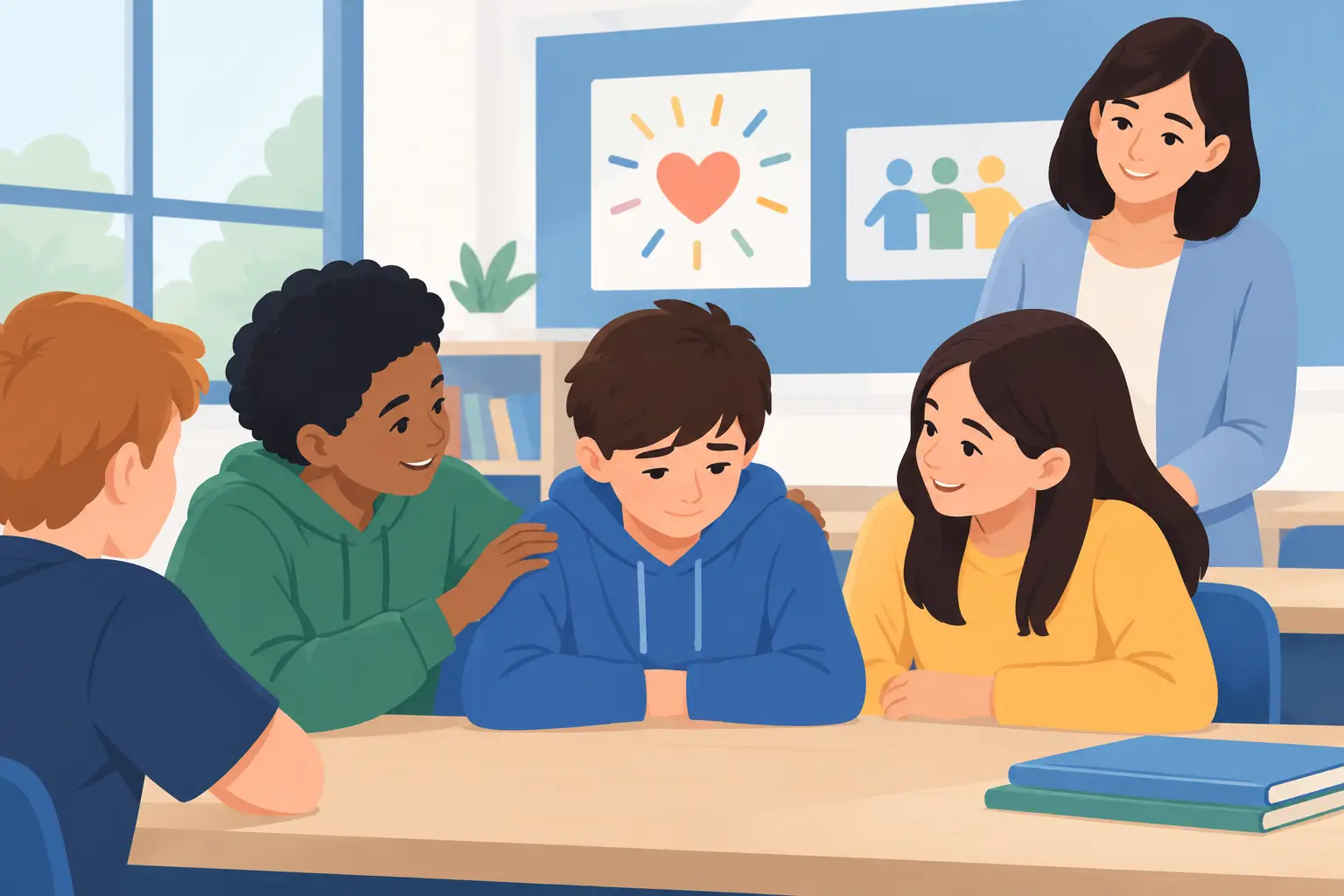
A teenager who keeps their head down in the corridor, avoids the playground and says little at home does not need a lecture about being tougher. They need practical options, steady support and the confidence to use both. A useful anti bullying class success example is not a child winning a fight. It is a young person recognising trouble early, setting a clear boundary, getting away safely and speaking to a trusted adult without feeling ashamed.
That is the standard parents should look for. Martial arts can play a valuable part in anti-bullying support, but only when it is taught responsibly. Training should never encourage children to seek confrontation or believe that violence fixes every problem. It should help them carry themselves with calm confidence, make better decisions under pressure and understand when physical self-defence is genuinely necessary.
What an anti bullying class success example looks like
Consider a 14-year-old who has been repeatedly mocked by a small group at school. At first, the behaviour is dismissed as banter. Over time, it becomes more deliberate: comments in lessons, blocking their way in busy corridors and messages sent outside school. The student starts missing clubs, becomes withdrawn and reacts sharply at home.
After joining a structured martial arts class, the change is not instant and it is not dramatic in the way films suggest. In the first few weeks, they learn to stand with better posture, keep a sensible distance from others and use a clear, firm voice. They practise staying balanced while someone steps into their space. They also learn that walking away is not weakness, and that reporting repeated behaviour is the right thing to do.
When the group approaches again, the teenager does not lash out. They create space, say “Stop. Move back,” loudly enough to be heard, and leave the situation with a friend. They tell a parent and a member of school staff what has happened, including the messages. The school can then deal with the pattern properly.
That is success. The training has not turned a young person into an aggressor. It has given them presence, a plan and the confidence to ask for support. If someone had physically restrained or attacked them, basic close-range self-defence skills could help them break free and get to safety. But the goal remains the same: avoid harm, escape and get help.
Why confidence changes the pattern
Bullies choose targets for many reasons, and no child is responsible for the behaviour directed at them. Still, bullies often look for an easy reaction: fear, isolation, visible distress or someone unlikely to tell anyone. Calm body language can change that calculation.
Martial arts training develops this through repeated, supervised practice. Students learn to stand upright without posturing, make eye contact without challenging someone, and speak clearly. They get used to controlled pressure in a safe class setting, so an awkward encounter does not feel completely unfamiliar.
There is a difference between confidence and bravado. Bravado can draw a young person into pointless arguments because they feel they have something to prove. Real confidence makes it easier to leave, to de-escalate and to choose safety over pride. For teenagers especially, that distinction matters.
Physical skills are only one part of the answer
A good anti-bullying approach teaches more than strikes and blocks. It should cover awareness, personal space, verbal boundaries, de-escalation and the importance of involving adults. It should also make clear that self-defence is about reasonable action to protect yourself, not retaliation after the event.
At Fusion Kung Fu, students aged 13 and above train in a practical close-range system designed for real-life self-defence. The focus is not on flashy routines or winning trophies. It is on building usable skills, discipline and control in a supportive environment. That makes training particularly useful for beginners who may feel nervous about joining a class or worry that they are not naturally athletic.
Strength, size and speed can make a difference in a physical confrontation, but they are not the whole story. Positioning, awareness, balance and decisive movement matter too. More importantly, a student who has learned to remain composed is more likely to make a safer choice before a situation becomes physical.
The role parents and schools still need to play
Martial arts can support a young person, but it cannot replace the responsibility of adults. If bullying is repeated, threatening, discriminatory, physical or taking place online, it must be recorded and reported. Parents should keep a clear note of dates, times, locations, witnesses and screenshots where appropriate. Schools need enough detail to identify patterns and act.
Encourage your child to tell you what is happening without rushing straight into solutions. Ask what was said or done, who was present and whether they feel safe returning to the same area or activity. Listen carefully. Avoid suggesting that they should simply ignore it or hit back. Both responses can leave a young person feeling unsupported or put them at greater risk.
Training works best alongside a joined-up plan. That may mean speaking to a head of year, agreeing safe routes around school, arranging trusted friends to walk together or asking for support with online harassment. The right response depends on the situation. A single unkind comment, an ongoing campaign of intimidation and an immediate physical threat require different levels of action.
What a responsible class should teach
When choosing an anti-bullying or martial arts class, look beyond bold claims. A responsible instructor should be clear that students are taught control and respect, not encouraged to start fights. Classes should have structure, close supervision and an atmosphere where beginners are not embarrassed for getting things wrong.
Students should also be taught that some situations cannot be solved by confidence alone. A young person facing a group, someone carrying a weapon or a serious threat should prioritise getting away, attracting attention and contacting an adult or emergency services. No martial arts class should promise that it can make somebody invincible.
The best instructors understand the trade-off. Practical training needs enough realism to be useful, but it must be delivered safely and progressively. Students build skills through regular practice, not through being frightened, humiliated or thrown into situations beyond their level.
Building progress beyond the school gates
The benefits often show up in ordinary moments first. A student begins attending school more consistently. They put their hand up in class. They make new friends at training because everyone is working through the same challenges. At home, they seem more settled because they have an outlet for stress and a place where effort is recognised.
This does not mean every difficult day disappears. Confidence grows through consistency. Turning up, learning a technique, practising it again and seeing small improvements creates evidence that progress is possible. That lesson carries into schoolwork, friendships and future challenges.
Parents sometimes wait until a problem has become severe before looking for help. Starting earlier can be useful, not because martial arts prevents every instance of bullying, but because it gives young people a stronger foundation before pressure arrives. They learn to respect others, recognise their own limits and understand that asking for help is a sign of good judgement.
A calm, capable teenager does not need to prove anything in the corridor. Give them practical skills, adults who listen and a community that expects respect, and they have a far better chance of meeting difficult moments with their head up and a safe plan in place.
About the Author: Keith Ratcliffe
