Here’s What We Cover
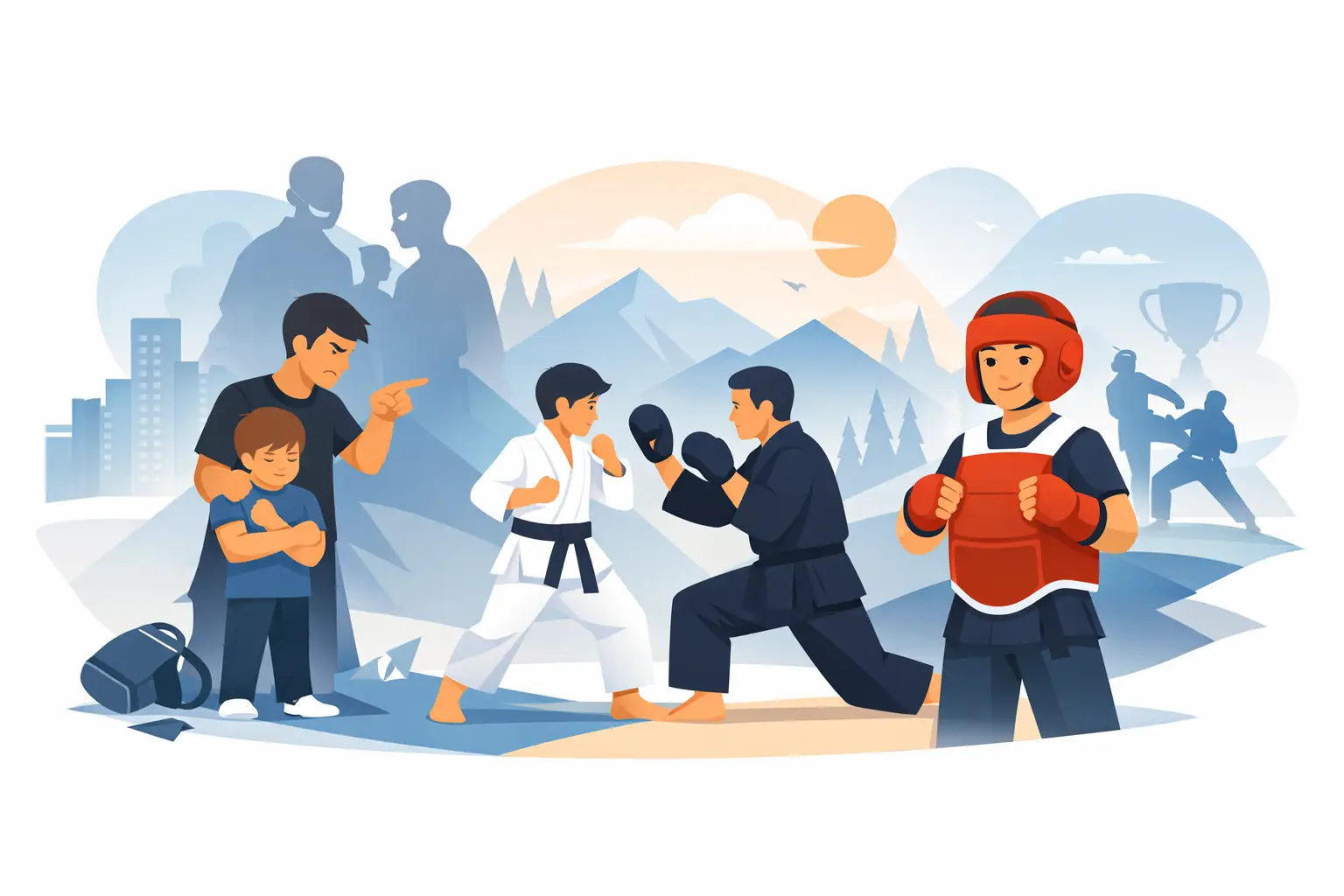
A young person being bullied does not need to be taught to win a fight. They need the confidence to stand tall, the awareness to spot trouble early and the skills to get themselves safely away when words are not enough. That is why the best martial arts for bullying are not simply the ones with the flashiest kicks or the most medals. They are the ones that build calm, practical confidence under pressure.
Martial arts can be a powerful part of an anti-bullying plan, particularly for teenagers who feel anxious at school, avoid social situations or have started to believe they are an easy target. But training is not a replacement for reporting bullying to a school, parent, employer or other responsible adult. It should support that action by helping someone feel more capable, more composed and less isolated.
What martial arts should teach about bullying
The first lesson is simple: avoiding a fight is a success, not a failure. Real self-defence starts with awareness, clear boundaries and creating space. A good class teaches students to use their voice, recognise escalating behaviour and leave safely where possible.
That matters because school bullying is rarely a fair one-to-one confrontation. It may involve intimidation, pushing, being surrounded, unwanted grabbing or pressure to react in front of others. A student who has only practised competition rules may not be prepared for that. Practical training should cover positioning, distance, balance, escaping holds and staying calm enough to make sensible decisions.
Confidence also changes how a young person carries themselves. It does not mean acting tough or looking for confrontation. It means making eye contact, speaking clearly, holding good posture and knowing they have options. Bullies often look for a reaction and a perceived lack of resistance. Calm confidence can make someone far less appealing as a target.
The best martial arts for bullying: what works and why
There is no single perfect style for every person. The best choice depends on the student’s age, temperament, physical confidence and, most importantly, how the school teaches. A well-run class with patient instructors and realistic training will usually be more useful than a famous style taught without care.
Practical Kung Fu and close-range self-defence
A practical Kung Fu system can be an excellent fit for bullying situations because it focuses on close-range control, movement and getting free rather than trading blows. This is particularly useful when personal space has already been invaded through grabbing, pushing or cornering.
Shiyong Kung Fu, taught at Fusion Kung Fu in Norwich for students aged 13 and above, uses Wing Chun foundations alongside effective techniques drawn from other martial arts. The aim is not performance or unnecessary tradition. It is to help students develop fast, functional skills for realistic situations, while building discipline and self-control.
For a teenager who feels smaller, less sporty or worried about being overpowered, this approach can be reassuring. Good close-range training relies on structure, timing and positioning rather than brute strength or acrobatic ability. As with any system, it should be taught with control and a clear message that physical action is a last resort when safety is at risk.
Judo
Judo is highly valuable for learning balance, breakfalls and how to deal with grabbing. Many bullying incidents begin with a pull, shove or attempt to wrestle someone to the ground. Judo gives students experience of being physically off-balanced without panicking, and teaches them how to stay safer if they do fall.
Its limitation is that it is built around gripping and throwing in a sporting environment. It may not spend as much time on awareness, verbal boundary-setting or dealing with strikes unless the instructor adds those elements. Still, its emphasis on control, respect and discipline makes it a strong option for many young people.
Boxing and kickboxing
Boxing develops fitness, footwork, guard position and the ability to stay composed when someone moves towards you aggressively. It can be especially helpful for teenagers who need confidence in their reactions and distance management. Well-coached sparring also teaches respect for contact and the consequences of careless behaviour.
The trade-off is obvious: boxing and kickboxing are striking sports. If a student starts believing every confrontation should be met with punches, the training has missed the point. Look for a club that treats sparring as controlled practice, not a test of who is hardest, and that teaches de-escalation alongside physical skills.
Brazilian Jiu-Jitsu
Brazilian Jiu-Jitsu can teach useful control and escape skills when a situation goes to the ground. Students learn that size is not the only factor, and they gain confidence through practising with partners of different builds and strengths. For some quieter teenagers, that gradual problem-solving approach is a real confidence boost.
However, going to the ground in a real bullying situation can be risky, especially if more than one person is involved or there are hard surfaces nearby. BJJ is valuable, but it is strongest when combined with the mindset of getting up, making space and leaving rather than trying to dominate someone on the floor.
How to choose the right class for a young person
Parents should look beyond the style name. Visit a class if possible and watch how the instructor speaks to beginners, how students treat one another and whether the atmosphere is focused without being intimidating. A good martial arts school should feel structured, welcoming and properly supervised.
Ask what the class teaches about bullying and self-defence. The answer should include avoidance, confidence, escape and reporting concerns, not promises that students will become unbeatable. Be cautious of clubs that glorify violence, encourage children to retaliate or use fear as motivation. Real discipline is measured, respectful and controlled.
It is also worth considering what will keep the student attending. A teenager who enjoys the class, feels included and can see steady progress is far more likely to gain the long-term benefits. Consistency matters more than finding a supposedly perfect style after one session.
Training that carries over into school and daily life
The biggest benefit of martial arts is often what happens away from the training floor. Students learn to turn up regularly, listen carefully, work through frustration and improve one step at a time. Those habits can help with school pressure, friendships, exams and the difficult moments that do not have a simple answer.
A supportive class also provides a positive peer group. For a young person who feels alone or labelled at school, training alongside others with shared goals can be a welcome change. They are not expected to arrive confident or naturally athletic. They are expected to learn, practise and show respect.
Physical fitness plays a role too. Better coordination, posture, stamina and body awareness can make a student feel more at home in their own body. That is different from teaching them to be aggressive. The goal is quiet confidence: the ability to stay calm, set a boundary and walk away with their head up.
If bullying is happening now, involve the appropriate adults, keep a clear record of incidents and make sure the young person knows they are not to blame. Then choose training that gives them more than techniques. The right martial arts class can give them a stronger voice, a safer response and a place where steady effort becomes genuine confidence.
About the Author: Keith Ratcliffe
