Here’s What We Cover
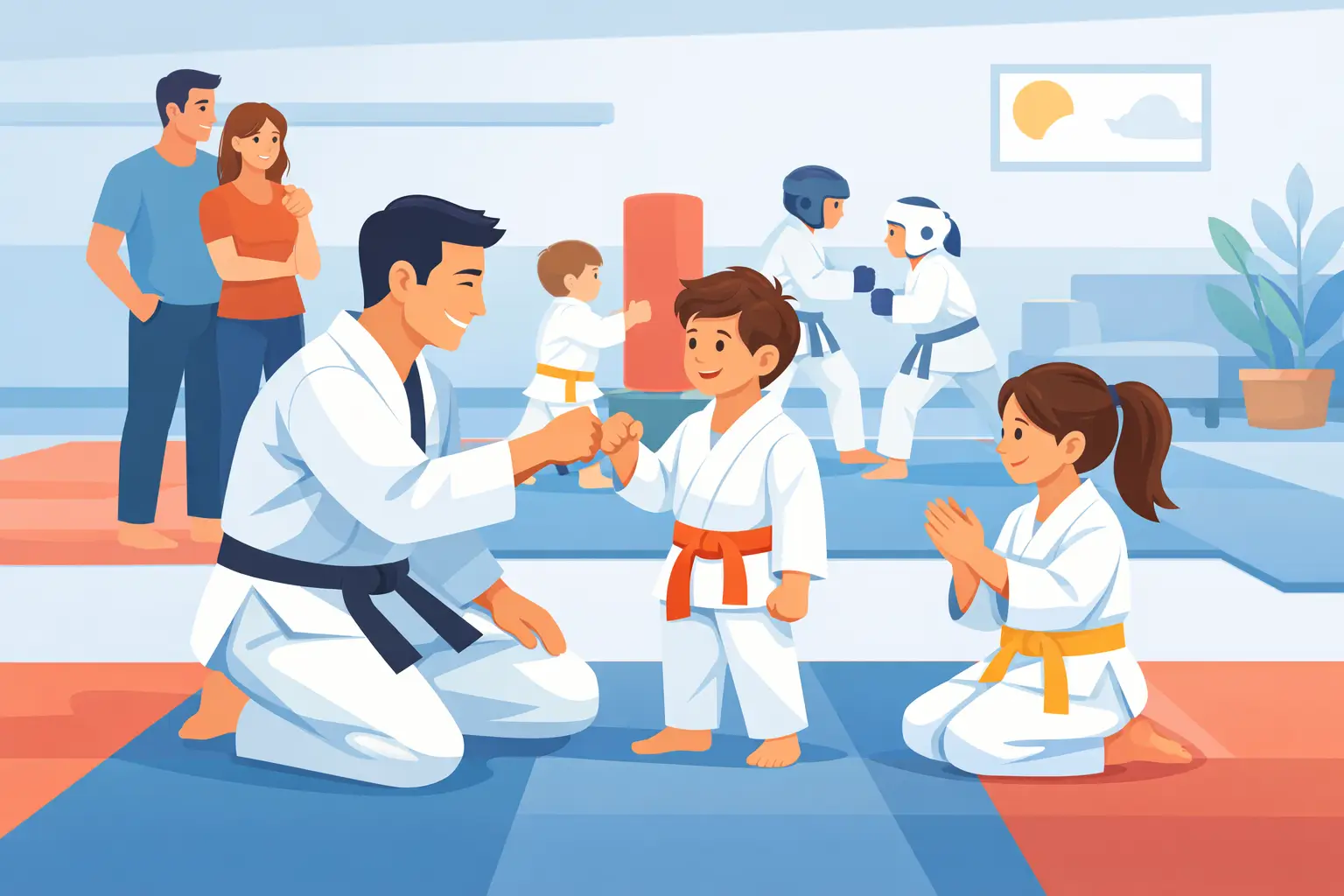
A family friendly martial arts club should give every student a place to improve without feeling intimidated, overlooked or pushed to perform. For parents, that means knowing your teenager is learning in a safe, structured setting. For adults, it means being able to start from scratch, get fitter and develop useful self-defence skills without needing to be naturally athletic.
The phrase ‘family friendly’ can mean different things at different clubs. It should never mean watered-down training or a room where standards are low. The best training environments are welcoming and supportive because they are well run, clearly coached and built on respect. Students know what is expected of them, progress at a sensible pace and are encouraged to keep showing up.
At Fusion Kung Fu, training is designed for people aged 13 and above who want more than a fitness class. It is a practical route towards confidence, discipline and realistic personal protection.
Family-Friendly Does Not Mean Soft Training
A good martial arts club balances high standards with a positive atmosphere. Students should work hard, learn to listen and be challenged physically and mentally. At the same time, nobody should be made to feel foolish for being new, less flexible or slower to pick up a movement.
This matters particularly for teenagers. The early teenage years can bring pressure at school, worries about fitting in and plenty of time spent behind screens. Martial arts gives young people a regular commitment where effort counts. They learn that confidence is not something you wait for. It is built through preparation, repetition and small improvements over time.
For parents, a family-friendly setting also means clear boundaries. Coaches should manage the class, explain exercises properly and make safety part of every session. Respect is expected between training partners. The aim is not to encourage aggression, but to help students remain calm, aware and capable when life becomes difficult.
Practical Skills for Real Life
Not every martial arts club has the same focus. Some are centred on competition, forms or traditional performance. There is value in each approach, but families looking for personal safety and confidence should ask a simple question: will this training make sense outside the training hall?
Shiyong Kung Fu is based around close-range, practical self-defence. It draws on Wing Chun foundations while using effective elements from other martial arts. The focus is on simple, direct movements that can be developed by ordinary people, not techniques that rely on being bigger, stronger or able to perform acrobatics.
That does not mean promising an easy answer to dangerous situations. Real self-defence begins with awareness, sensible decisions and avoiding conflict where possible. Physical techniques are one part of the picture. Students also benefit from learning how to manage distance, recognise pressure and respond with more control rather than panic.
For a teenager dealing with bullying, this can be especially valuable. Training should never encourage them to seek a fight. Instead, it can help them carry themselves with greater confidence, communicate boundaries and understand when to get support from a trusted adult. The physical practice strengthens their belief that they are not helpless.
Confidence Is Trained, Not Given
Many beginners arrive saying they lack confidence. Some worry that everyone else will be more experienced. Others have not exercised regularly for years and are concerned about keeping up.
A properly structured class solves much of that anxiety. Beginners are taught the foundations first, given time to practise and coached through mistakes. Progress is earned, but nobody is expected to know everything on day one.
As skills improve, confidence tends to follow. A student who once avoided eye contact may begin speaking more clearly. Someone who found exercise a chore may start noticing their stamina improve. These changes are not instant, and they are not identical for everyone, but consistent training gives people evidence that they can develop.
What Parents Should Look for in a Martial Arts Club
Choosing a club is not just about finding the nearest class time. The right environment can make the difference between a short-lived hobby and a positive long-term habit.
Look first at how beginners are treated. A club should be able to explain what happens in a first session, what students need to wear and how training is adapted for new starters. There should be no pressure to prove yourself before you have even learned the basics.
Next, consider the coaching style. Experienced instructors can be firm without being harsh. They correct technique, set expectations and keep students focused, while recognising that every person learns at a different speed. Teenagers need structure, but they also need to know that asking a question is acceptable.
It is also worth checking whether the club’s goals match your own. If your priority is realistic self-defence, fitness, focus and discipline, choose a school that trains for those outcomes. If your child wants medals and regular competition, a sport-led club may be a better fit. Neither choice is automatically wrong, but being clear from the start avoids disappointment later.
Finally, pay attention to the atmosphere. A strong club has a sense of community, yet it does not become cliquey. More experienced students should set a good example. New members should leave feeling challenged but welcomed, not embarrassed or excluded.
A Family Friendly Martial Arts Club for Teenagers and Adults
For families with teenagers, it can be helpful when training does not feel childish or overly theatrical. Students aged 13 and above want to be taken seriously. They want training that is engaging, physical and relevant to the situations they may face as they become more independent.
Adult beginners need the same respect. You do not need a background in martial arts, a certain body type or exceptional fitness to begin. You do need a willingness to learn, practise and stay consistent. Classes can improve coordination, mobility, fitness and stress management alongside self-defence ability.
There is a trade-off worth understanding. Martial arts is not a quick-fix fitness programme. You will not learn reliable skills by attending once and expecting immediate expertise. The benefits build through regular attendance and focused practice. That is precisely why the results can last far beyond the first few weeks.
Training alongside people of different ages and experience levels can be a real advantage. Teenagers see adults working hard and staying disciplined. Adults see younger students developing resilience and maturity. Everyone is reminded that progress is personal, but commitment is shared.
Starting Without Pressure
The first session should feel like an introduction, not a test. A free taster session gives prospective students the chance to see how the class is run, meet the instructor and decide whether the training feels right for them.
Wear comfortable clothes, arrive ready to listen and allow yourself to be a beginner. You do not need to bring a list of achievements. The point is to take the first step and see what consistent training could add to your life.
On joining, students receive a free club T-shirt and uniform, removing one more barrier to getting started. More importantly, they enter a training environment where effort, respect and practical progress matter.
The Benefits Reach Beyond the Class
A good session can leave you tired, but it should also leave you clearer headed. Regular physical training offers a useful break from school pressure, work demands and constant phone notifications. It asks students to concentrate on their stance, timing, partner and breathing. For an hour, they have a job to do that cannot be completed by scrolling.
That focus can carry into everyday life. Students often become better at handling setbacks because martial arts makes mistakes normal. A technique does not work perfectly at first, so you adjust and try again. That simple habit is valuable in exams, work, relationships and difficult conversations.
The strongest reason to choose a club is not that it promises to transform someone overnight. It is that it gives them a disciplined place to turn up, work hard and become more capable week by week. If that is what your family needs, a first class is a sensible place to begin.
About the Author: Keith Ratcliffe
