Here’s What We Cover
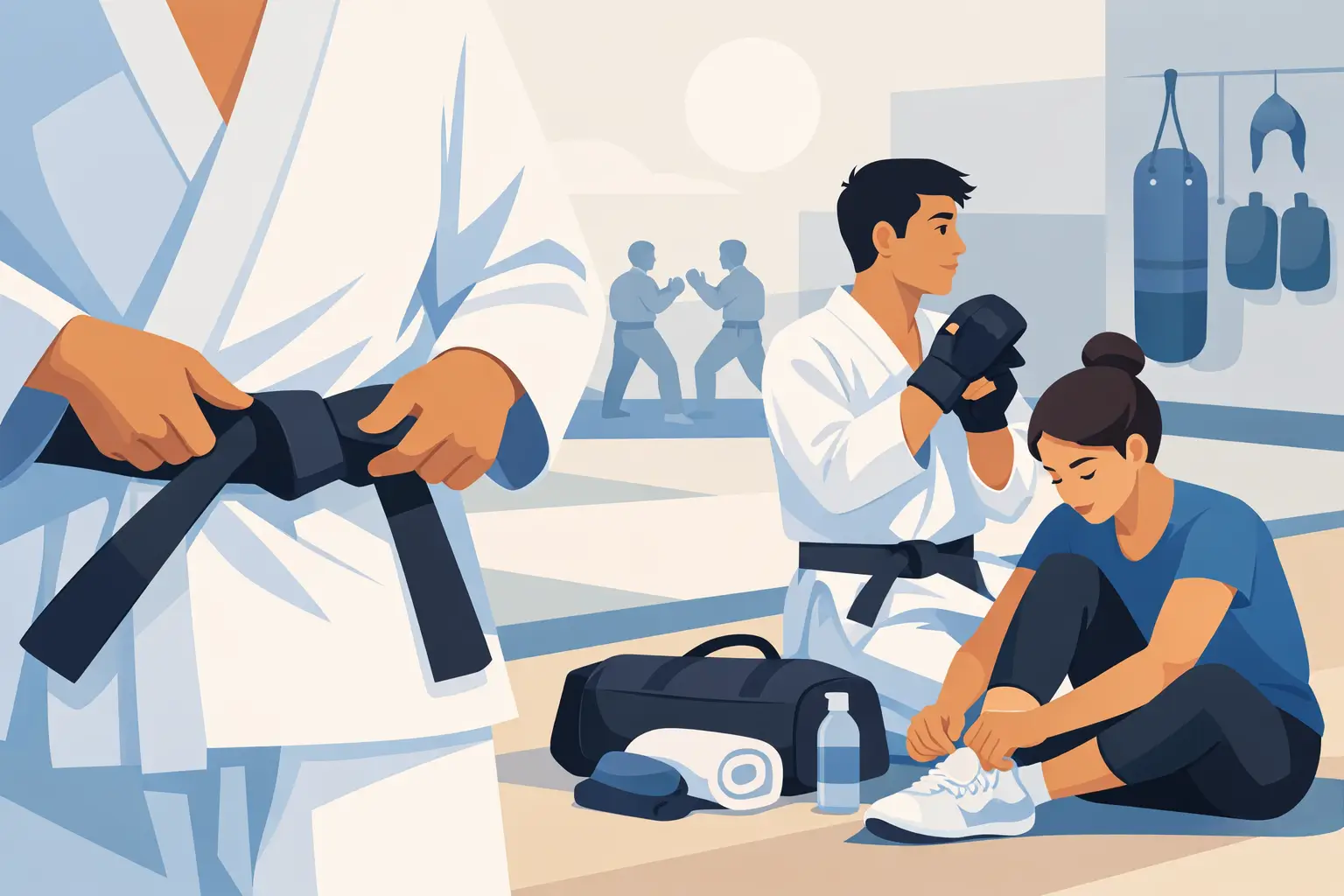
Walking into your first session can feel like the hard part. Most beginners are not worried about effort – they are worried about looking out of place, not knowing what to do, or turning up with the wrong kit. If you are wondering how to prepare for first martial arts class, the good news is that you do not need to be fit, flexible or experienced. You just need to arrive ready to listen, work, and give it a proper try.
That mindset matters more than people think. A good martial arts class is structured to teach beginners from the ground up. Nobody sensible expects a new starter to move well on day one. The aim of your first class is not to impress anyone. It is to get comfortable, understand the basics, and leave knowing you can do it again.
How to prepare for first martial arts class before you arrive
The simplest way to settle first-class nerves is to remove the avoidable problems. Check the class time, know where you are going, and aim to arrive a little early rather than rushing in flustered. Ten minutes early is usually enough. It gives you time to introduce yourself, ask any quick questions and get a feel for the room.
Wear comfortable training clothes unless you have been told otherwise. A plain T-shirt and tracksuit bottoms or shorts are usually fine for a trial session. Avoid anything too loose, too restrictive or covered in zips and hard fastenings that could get in the way during partner work. If you wear jewellery, take it off before class. That includes rings, bracelets, necklaces and large earrings. It is a safety issue, not a style issue.
Keep what you bring simple. A bottle of water, a small towel if you tend to sweat, and any medication you may need are usually enough. You do not need expensive gloves, pads or a full uniform before you have even started. In fact, buying lots of gear too early often creates more stress than confidence.
Food matters as well, but this is where a bit of common sense goes further than rules. Do not turn up on a completely empty stomach if you know you get light-headed, but do not eat a heavy meal just before training either. Something light an hour or two beforehand tends to work well for most people.
What to expect in your first martial arts class
Beginners often imagine their first lesson will be intense, chaotic or physically overwhelming. In a well-run club, it should be the opposite. You should expect structure, clear instruction and a steady introduction to the basics. That may include stance work, movement, simple striking or defensive drills, partner exercises and some general conditioning.
You are unlikely to be thrown into anything advanced. Good instructors want to see how you move, how well you listen and how comfortable you are taking on new information. If a class is practical, as effective self-defence training should be, you may work at close range and with a partner quite early on. That does not mean you are expected to know what you are doing. It means you are learning skills that have real use, rather than just going through the motions.
Some classes are quieter and more technical. Others are more physical from the start. It depends on the style, the age group and the structure of the session. What matters is that the teaching is clear, safe and purposeful.
Do not try to get fit first
A lot of people delay starting because they think they should improve their fitness before walking through the door. That usually becomes a long-term excuse. Martial arts training is one of the things that helps you get fitter in the first place.
You do not need elite stamina, flexibility or strength to begin. You need a basic willingness to move and to pace yourself sensibly. If you are very inactive, your first session may feel tiring. That is normal. If you already train in the gym or play sport, some parts may feel easier, but that does not automatically make martial arts easier to learn. Timing, balance, coordination and control take practice.
The better approach is to start where you are. If you know your fitness is low, be honest with yourself and train at a level you can manage. Effort is good. Trying to prove something in your first class is not.
The right mindset for your first lesson
The biggest shift for many beginners is accepting that they will not be good straight away. That sounds obvious, but it catches people out. Adults in particular can be hard on themselves when they cannot pick something up immediately. Teenagers often worry about being watched. Parents sometimes assume their child needs to be naturally confident before starting. In reality, class is where confidence gets built.
Go in ready to follow instructions, ask when you are unsure, and repeat things without getting frustrated. Martial arts is not about instant perfection. It is about steady improvement under pressure, and that starts with being coachable.
Try not to compare yourself with people who have been training for months or years. They were beginners once as well. Focus on small wins. Remembering your stance, keeping your hands in the right place, moving with better balance – these are all signs of progress.
How to prepare for first martial arts class if you are nervous
Nerves are common, and they are not a sign that you are not suited to training. Usually they come from uncertainty. Once you know what the class expects from you, most of that tension drops away.
If you are nervous, tell the instructor before the class starts. A good coach would rather know than guess. That is especially useful if you have an old injury, low confidence, asthma, or you simply feel awkward in new environments. There is nothing weak about being upfront. It helps the instructor guide you properly.
It can also help to set a smaller target than “be good at martial arts”. Aim to complete the class, learn one or two basic movements and come back for the next session. That keeps your focus where it should be – on starting, not performing.
For parents bringing in a child or teenager, reassurance matters. Do not oversell the first lesson as life-changing. Just frame it as a chance to try something new in a supportive environment. Pressure from home can make first-day nerves worse, even when it is well meant.
Class etiquette that makes a good first impression
You do not need to know every rule in advance, but a few basics go a long way. Be on time, listen when the instructor is speaking, and treat training partners with respect. If you are shown a drill, do not try to turn it into a competition. Control matters as much as effort.
Personal hygiene is part of etiquette too. Turn up in clean clothes, keep your nails short, and avoid strong aftershave or perfume in a busy training space. If the class involves close-range work, that consideration matters.
You should also expect discipline, but not in the harsh or theatrical sense some people imagine. Good discipline in martial arts means paying attention, staying safe, and training with purpose. It creates a better environment for everyone.
What if you are not naturally sporty?
That is not the barrier many people think it is. Some naturally sporty beginners pick up the physical side quickly but struggle with patience or precision. Others who have never done a combat sport before make excellent progress because they listen carefully and stay consistent.
Practical martial arts should not depend on being the strongest person in the room. Good training develops timing, positioning, awareness and technique in a way that works for different body types and starting points. That is one reason so many beginners stay with it once they get over the first session.
If you are based in Norwich and looking for a structured, beginner-friendly place to start, Fusion Kung Fu is built around practical teaching and steady progress rather than empty tradition or flashy performance.
After your first class
The first thing to do afterwards is simple – notice how you feel once the nerves have gone. Most people leave their first class tired but sharper, more positive and relieved that getting started was not as intimidating as expected.
You may be a little sore the next day, especially if you have not trained for a while. That is normal. Drink water, move about, and give your body time to recover. More importantly, think about whether the teaching felt clear, the atmosphere felt respectful and the training felt purposeful. Those things matter more than whether you looked polished in your first hour.
If the answer is yes, do not wait too long to go back. Momentum helps. The second class is often where real confidence starts, because you are no longer dealing with the unknown.
Starting martial arts does not require perfect timing, perfect fitness or perfect confidence. It just requires the decision to begin, then the discipline to keep showing up.
About the Author: Keith Ratcliffe
