Here’s What We Cover
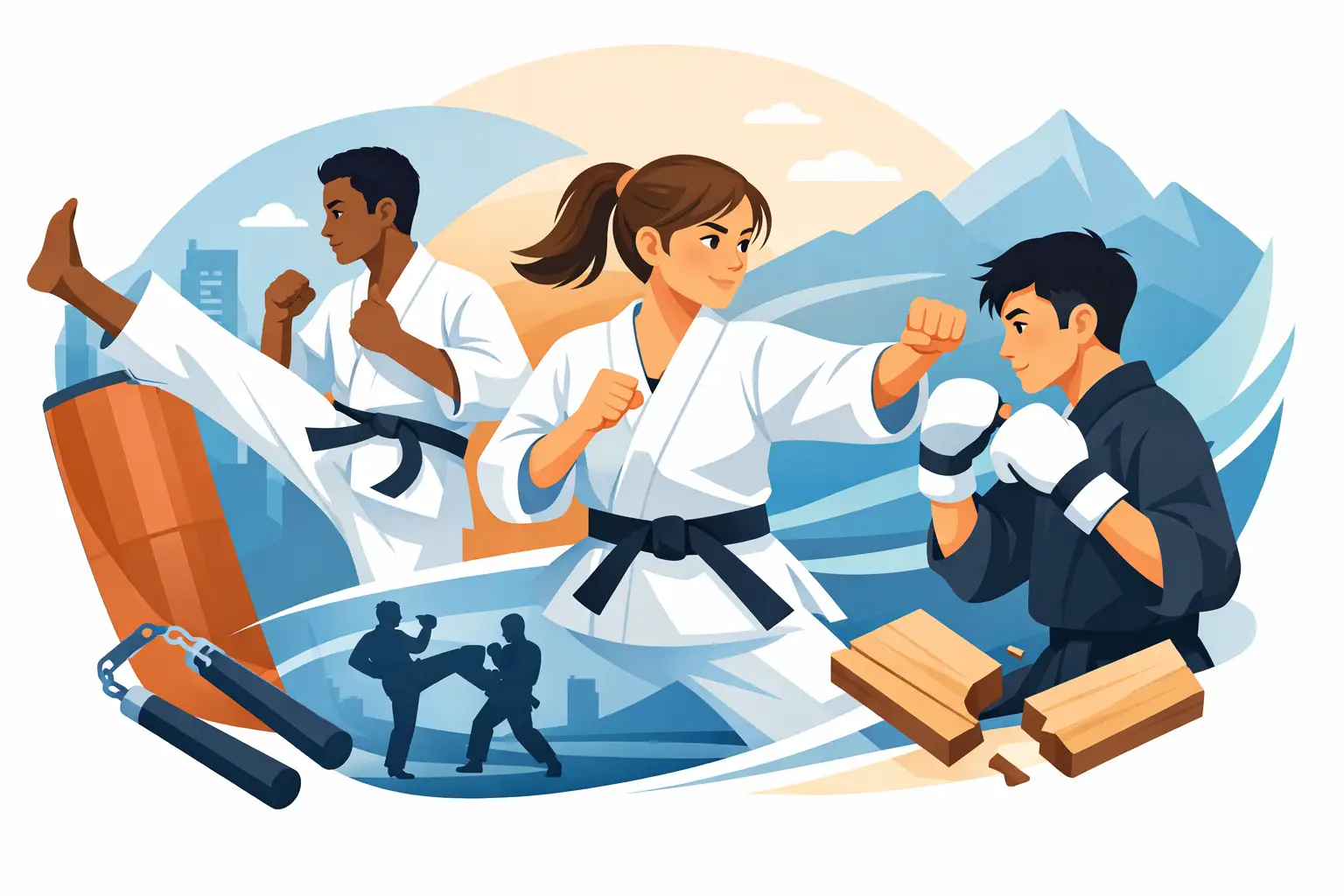
Some teenagers need an outlet. Others need confidence. Some simply need something real to work towards outside school, screens and social pressure. That is why teen martial arts classes can make such a difference. Done properly, they give young people structure, challenge and practical skills they can carry into everyday life.
For many parents, the decision is not really about finding another after-school activity. It is about helping a teenager become stronger mentally and physically, without throwing them into an environment that feels intimidating, overly aggressive or full of ego. For teenagers themselves, it is often about wanting to feel more capable, fitter and more in control.
Why teen martial arts classes matter
The teenage years can be unsettled. Confidence can change quickly. Motivation comes and goes. Friendships, exams and social pressures all add weight. A good martial arts class gives teenagers something steady. They know what is expected, they know they can improve, and they start to see progress through effort rather than luck.
That matters because martial arts training is not just exercise. It teaches discipline in a practical way. Turn up on time, focus, listen, practise, improve. Those habits do not stay in the training hall. They often carry over into school, home life and the way a teenager handles pressure.
There is also the confidence that comes from competence. A teenager who learns how to move well, stay calm and respond under pressure usually carries themselves differently. They do not need to act tough. They simply feel less helpless.
What parents should look for in teen martial arts classes
Not every club is right for every teenager. Some classes are highly competitive. Some lean heavily into tradition and ritual. Others are little more than fitness sessions with a martial arts label attached. None of those are automatically wrong, but they may not suit a teenager who wants realistic self-defence, clear progression and a welcoming place to start.
Parents should look for a class that is structured, well supervised and practical. The teaching should be clear. Safety should be taken seriously. The environment should feel disciplined without being harsh. Teenagers need standards, but they also need support, especially when they are new.
It also helps to choose a club that understands beginners. A 13-year-old starting martial arts for the first time should not feel left behind because they are not sporty or naturally confident. Good coaching meets students where they are and helps them improve step by step.
The benefits teenagers actually notice
Teenagers are often less interested in slogans and more interested in outcomes. They want to know what will change if they start training. The answer depends on the student, but a few benefits come up again and again.
Confidence is usually one of the first. Not false confidence, but the quiet kind that comes from doing difficult things regularly. A teenager who has trained through drills, pressure and partner work begins to trust their own judgement more.
Fitness improves too, often without the boredom some teenagers associate with the gym. Martial arts training develops coordination, stamina, balance and movement in a way that feels purposeful. Instead of exercising for the sake of it, they are learning a skill.
Mental focus is another major benefit. In a good class, there is no room for drifting through the session half switched-on. Teenagers have to pay attention, respond and think. Over time, that can help sharpen concentration and patience.
Then there is resilience. Training does not go perfectly every week. Techniques take time. Some drills are frustrating. Progress can feel slow. Learning to stick with that process is valuable, especially for teenagers who are used to quick rewards elsewhere.
Self-defence should be realistic, not theatrical
For many families, self-defence is one of the main reasons for choosing martial arts. That makes sense. Teenagers are becoming more independent. They travel alone more often, spend more time out with friends and may have to deal with bullying, peer pressure or threatening situations.
But self-defence training only has value if it is grounded in real life. Flashy routines and acrobatic techniques might look impressive, but they are not what most people need. A practical system should teach awareness, positioning, control, simple effective movements and the ability to make good decisions under pressure.
That does not mean teenagers should be trained to look for fights. Quite the opposite. Good martial arts teaching places a strong emphasis on avoidance, self-control and knowing when not to engage. The goal is not aggression. The goal is confidence, awareness and the ability to protect yourself if necessary.
This is one reason practical Kung Fu appeals to many families. When taught properly, it focuses on close-range skills, efficient movement and techniques that do not rely on size, strength or athleticism. For teenagers, that makes training more accessible and more relevant.
Teen martial arts classes and bullying
Parents often ask whether martial arts helps with bullying. The honest answer is that it depends on the situation, but it can absolutely help in meaningful ways.
Martial arts does not solve every social problem. It will not instantly change school dynamics or guarantee a teenager never faces difficult people. What it can do is reduce the sense of vulnerability that many young people carry. A teenager who feels stronger, more aware and more composed often presents themselves differently. Bullies tend to look for easy targets.
Training can also help teenagers manage the emotional side of bullying. They may become better at staying calm, setting boundaries and not folding under pressure. In serious situations, practical self-defence skills provide another layer of reassurance, but the bigger benefit is often the change in mindset.
Why the right teaching style matters
Teenagers respond well to instructors who are firm, fair and clear. They do not need endless hype, and they do not benefit from being shouted at for the sake of it. The best coaching is disciplined, encouraging and consistent.
A strong class culture matters just as much as the syllabus. Teenagers should train in an environment where respect is expected, effort is recognised and no one is made to feel foolish for being new. That balance is important. If a class is too soft, progress can drift. If it is too hard-edged, many teenagers switch off before they have a chance to settle.
At Fusion Kung Fu, ages 13 and above can train in a structured setting that takes progress seriously while staying welcoming to beginners. That matters for parents who want real standards, but also want to know their teenager will be supported properly from day one.
Is martial arts right for every teenager?
Not every teenager walks into their first class full of enthusiasm. Some are nervous. Some are reluctant because they think martial arts is only for sporty people. Some worry they will not fit in. Those concerns are common, and they are usually temporary.
The key is finding a class that removes unnecessary barriers. Teenagers should not need previous experience, high fitness levels or natural confidence to begin. In fact, many of the students who benefit most are the ones who start quietly and grow into it over time.
That said, there is no one-size-fits-all answer. A teenager who loves competition may enjoy one type of club, while another may prefer a more self-defence-focused approach. A good trial session can tell you a lot. It lets parents see the teaching style and gives teenagers a chance to feel the atmosphere before making a commitment.
What progress looks like over time
The first few weeks are usually about settling in. Teenagers learn the basics, get used to the structure and begin building confidence in training. After that, the changes often become easier to spot. Movements get sharper. Focus improves. They hesitate less.
Over the months, progress becomes bigger than technique alone. Many teenagers become more self-disciplined, more resilient and more comfortable in themselves. Parents often notice better posture, more maturity and a stronger sense of responsibility.
That kind of progress cannot be rushed, and it should not be oversold. Real development takes regular training. But that is part of the value. Teenagers learn that worthwhile results come from steady effort, not shortcuts.
Choosing classes that deliver more than activity
There is nothing wrong with wanting a teenager to be more active. But the best teen martial arts classes offer more than movement. They give young people a framework for growth. They help them handle pressure better, build confidence properly and develop practical skills that have real use outside the class.
For families in Norwich and the surrounding area, it is worth looking beyond flashy marketing and asking a simple question: will this training help my teenager become more capable in everyday life? If the answer is yes, you are probably looking in the right place.
A good class does not promise overnight transformation. It offers something better – a solid path, clear coaching and the chance for a teenager to build real strength, one session at a time.
About the Author: Keith Ratcliffe
