Here’s What We Cover
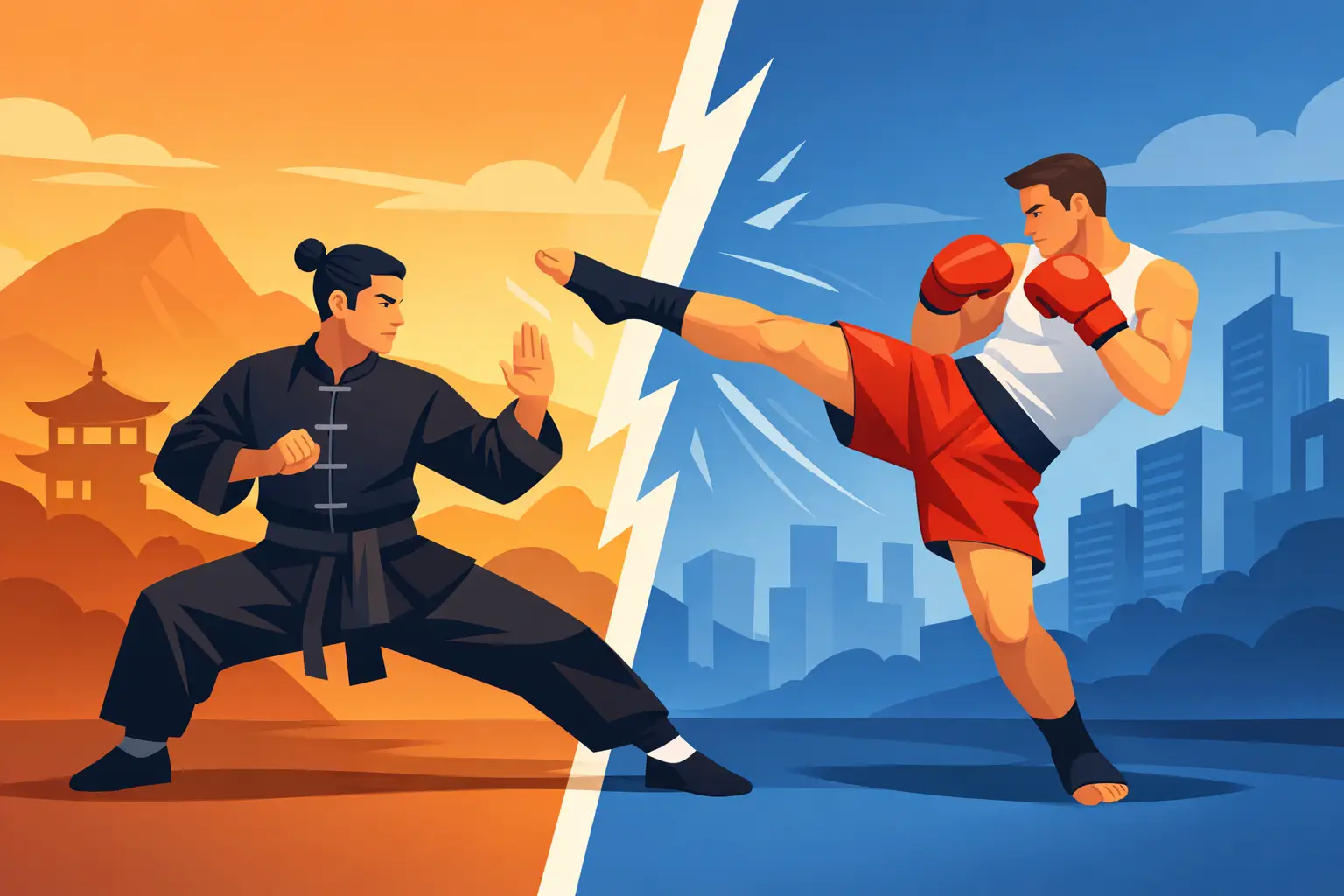
A heavy bag does not hit back, grab your clothing or crowd your space. That is the key point many people miss when comparing kung fu versus kickboxing. Both can make you fitter, sharper and more confident, but they prepare you for different situations and reward different training priorities.
If you are choosing a martial art in Norwich, the best option is not necessarily the one with the most impressive kicks or the toughest-looking sparring. It is the one you will attend consistently, enjoy learning and trust to give you useful skills under pressure.
Kung Fu Versus Kickboxing: The Core Difference
Kickboxing is generally a striking sport. Training centres on punches, kicks, footwork, pad work, fitness drills and controlled sparring. It is direct, demanding and an excellent way to improve cardiovascular fitness, coordination and confidence using your hands and legs.
Kung Fu is a much broader term. Different schools can look completely different, ranging from traditional forms and acrobatic movements to close-range systems built around practical self-defence. That means a fair comparison depends on the particular Kung Fu style being taught, not simply the name on the sign.
At Fusion Kung Fu, Shiyong Kung Fu is designed around effective close-range combat. It draws on Wing Chun foundations while using techniques from other martial arts where they add practical value. The focus is not on collecting complicated sequences for display. It is on learning how to manage distance, protect yourself, strike effectively and stay composed when someone is close enough to cause a problem.
What Kickboxing Does Well
Kickboxing has clear strengths. It gives students regular striking practice and teaches them to generate power with good body mechanics. Pad work can be highly motivating, while sparring helps students get used to movement, timing and the pressure of an opponent who is trying to hit back.
For someone whose main goal is fitness, competition or developing confidence through hard physical sessions, kickboxing can be a very good choice. You will usually work up a sweat quickly, improve your stamina and learn straightforward combinations that make sense in a sporting setting.
There are limits, though. Kickboxing rules shape what is practised. Depending on the club, there may be little focus on grabs, close clinches, head control, multiple attackers, confined spaces or the legal and practical responsibility to disengage safely. None of this makes kickboxing ineffective. It simply means sport training and self-defence training are not identical.
A strong kick may be useful when you have room and stable footing. It is less reliable if you are wearing ordinary clothes, standing on uneven ground, carrying a bag or dealing with someone who has already closed the distance. Real-life confrontations are messy, sudden and rarely begin with both people ready to fight.
What Practical Kung Fu Brings to Self Defence
A practical Kung Fu system can address the ranges that are often overlooked in striking sports. This includes what to do when someone pushes, grabs, crowds or tries to intimidate you at close range. Students learn to protect their balance, create space, use direct responses and avoid relying on strength alone.
That matters for teenagers and adults of all sizes. Effective self-defence should not depend on being the strongest person in the room, exceptionally flexible or naturally athletic. Good training gives you repeatable principles: keep your hands in useful positions, protect vulnerable areas, recognise danger early and respond decisively when necessary.
Close-range work also teaches control. The aim is not to encourage students to fight over every disagreement. It is to build awareness, boundaries and the confidence to avoid trouble where possible. For parents concerned about bullying, this is especially valuable. A young person who can stay calm, use assertive body language and understand when to get help is often better equipped than one who has only been taught to throw punches.
Practical Kung Fu should still include fitness, striking drills and pressure testing. Without these, techniques can become theory. Equally, hard training without sound self-defence context can leave gaps. The most useful approach combines realistic repetition with safety, discipline and gradual progression.
Is Kickboxing Better for Fitness?
Not necessarily. Kickboxing is well known for intense workouts, and rightly so. Repeated rounds on pads, bags and sparring drills can improve endurance quickly. If your main aim is to burn energy and enjoy a fast-paced class, it is likely to appeal.
Kung Fu training can be equally demanding, but the fitness benefit may arrive through a wider mix of work. Stance training develops leg strength and balance. Partner drills improve reactions and coordination. Striking practice builds speed and conditioning, while controlled defensive drills demand focus when tired.
The bigger question is whether you will keep going. The best fitness plan is one you can sustain beyond the first enthusiastic month. A supportive class, clear progress and instructors who adapt training for beginners make a major difference. You do not need to arrive fit to start martial arts. Training is where fitness is built.
Which Is Better for Beginners?
Both can be beginner-friendly when coached properly. The right club will make sure new students learn safely, understand the purpose of each drill and are not thrown into hard sparring before they are ready.
Kickboxing can feel accessible because its basic punches and kicks are easy to recognise. You may learn a simple combination early and feel progress quickly. However, some people find constant high-intensity striking sessions intimidating, particularly if they have not exercised regularly or worry about being hit.
A well-structured Kung Fu class gives beginners a different route in. You can develop posture, movement, awareness and simple self-defence responses step by step. There is still hard work, but it is purposeful rather than performative. Students are not expected to be acrobatic, aggressive or experienced before they walk through the door.
For adults returning to exercise, teenagers building confidence or parents looking for constructive training for a child aged 13 or over, that steady progression can be more valuable than being pushed too hard too soon.
The Question of Sparring
People often assume that a club is only realistic if students spar regularly. Sparring is valuable, but it needs context. It teaches timing, distance, resilience and the ability to think while moving. Those are real benefits.
Yet sparring is still a controlled exchange with agreed rules, protective equipment and a training partner. Self-defence may involve surprise, verbal aggression, an attempted grab or no opportunity to square up. A complete programme should use sparring where appropriate while also training awareness, escape, close-range responses and responsible decision-making.
The quality of the coaching matters more than whether a style has a particular label. Ask how beginners are introduced to contact, how instructors keep students safe and whether the club can explain how its training applies outside the gym.
How to Choose Between Kung Fu and Kickboxing
Choose kickboxing if you are mainly drawn to competitive striking, high-energy pad rounds and sport-style sparring. It can be an outstanding outlet for stress and a demanding way to get fit.
Choose practical Kung Fu if you want self-defence skills alongside fitness, particularly if you want to understand close-range situations, improve awareness and build confidence without relying on size or flashy technique. It is also a strong choice if you want training that develops discipline and composure as well as physical ability.
Before committing, watch a class or take part in a taster session. Notice whether instructors give individual guidance, whether students of different abilities are welcomed and whether the atmosphere feels focused rather than intimidating. Ask what a beginner learns in the first few months and how the club handles safety and controlled contact.
The right martial art is not about proving which style wins an argument. It is about finding training that makes you more capable, more confident and more prepared week by week. Start where you feel supported, train consistently and let your progress speak for itself.
About the Author: Keith Ratcliffe
