Here’s What We Cover
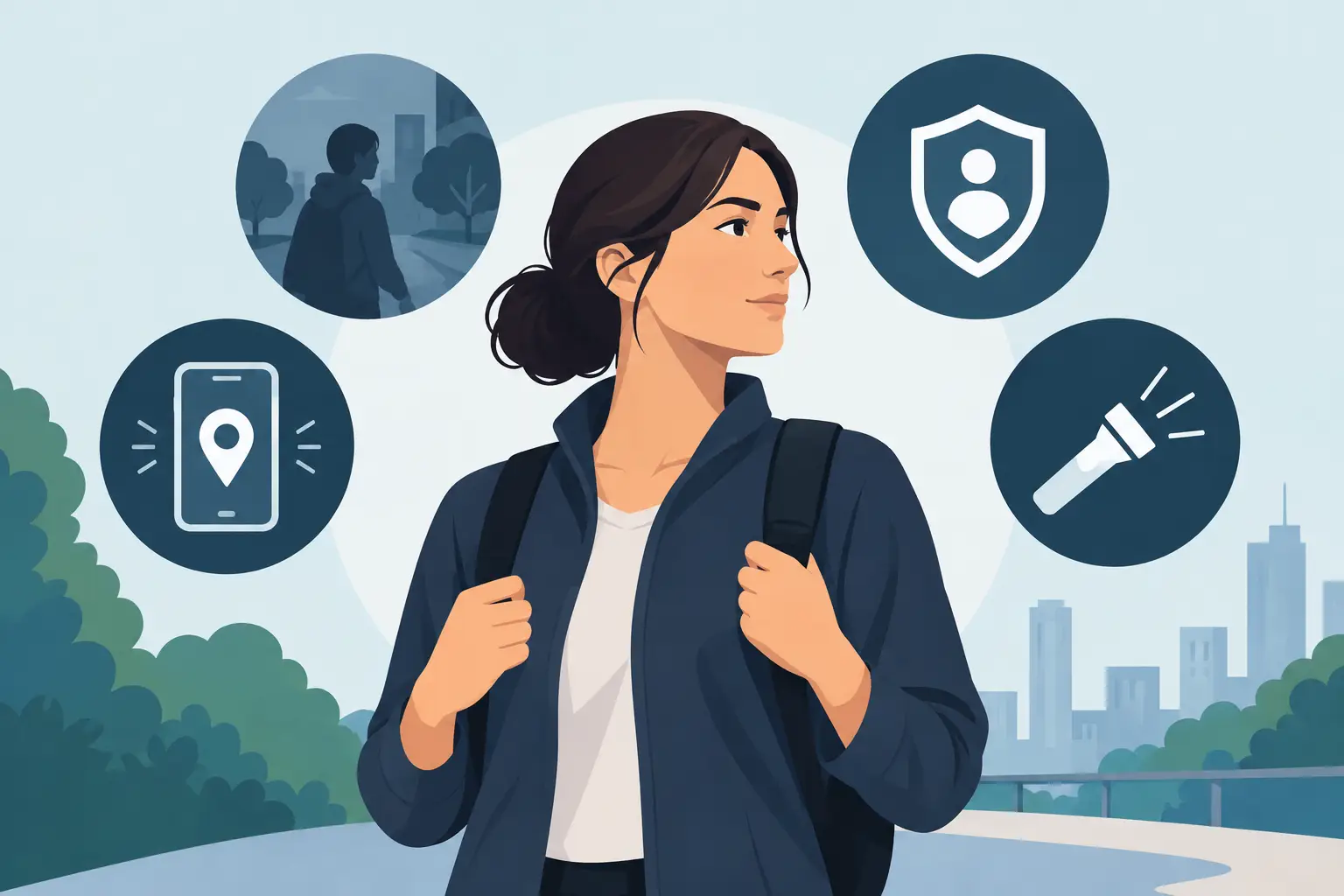
A difficult journey home, an argument that feels like it is getting out of hand, or a stranger who will not take no for an answer: these are the moments people picture when they think about personal safety. Yet the best response usually starts much earlier. It starts with noticing what is around you, trusting that something does not feel right, and giving yourself permission to leave.
For teenagers, adults and parents in Norwich, personal safety is not about living nervously or looking for trouble. It is about building calm, practical habits that reduce risk, protect your boundaries and help you make better decisions under pressure. Physical self-defence has a place, but it is the final option, not the first one.
Personal safety is about choices, not fear
Real confidence is not loud. It does not mean assuming you can handle every confrontation alone, nor does it mean trying to prove a point when someone is behaving aggressively. It means recognising that getting home safely, getting help and avoiding harm are the priorities.
That distinction matters. Films and social media can make confrontation look clean and controlled. Real situations are unpredictable. There may be more than one person involved, uneven ground, poor lighting, alcohol, weapons or simply a level of stress that makes clear thinking difficult. There is no prize for staying in a situation that can be avoided.
A strong personal safety mindset is based on simple questions: What is happening here? Where is the safest exit? Who can I call or approach for help? Is this person trying to draw me into an argument? The earlier you ask those questions, the more options you have.
This applies at school, on public transport, in town, at work and online. A threatening message, repeated unwanted contact or bullying should not be dismissed as something you must simply put up with. Save evidence where appropriate, tell someone you trust and use the support available. Speaking up early is sensible, not weak.
Awareness gives you time and space
Awareness is not about constantly looking over your shoulder. It is about being present enough to spot changes in your environment. When you are walking alone, especially after dark, keep your head up and avoid becoming completely absorbed in your phone or headphones. You do not need to be on edge, but you do need enough attention to see who is nearby and where you could go if you felt uncomfortable.
Planning helps too. Let someone know when you expect to arrive, keep your phone charged where possible, and choose well-lit routes that are familiar to you. If a route feels wrong, changing direction is a good decision. You do not owe anyone an explanation for protecting your own comfort and safety.
For younger teenagers, parents can discuss these habits without turning every journey into a warning lecture. Agree simple plans for getting home, what to do if a lift does not arrive, and who they can contact if they are worried. The aim is to give them a clear response, not to make them frightened of ordinary independence.
Awareness also means noticing behaviour, rather than judging people by appearance. Someone standing nearby is not automatically a threat. But someone blocking your path, following you, invading your personal space, shouting at you or refusing to accept a clear answer is showing behaviour that deserves action.
Clear boundaries can stop problems growing
Many people are taught to be polite even when they are uncomfortable. Politeness has its place, but personal safety comes first. You can say, “No”, “Step back”, “I don’t want to talk”, or “Leave me alone” in a firm, clear voice. You do not have to smile, soften the message or stay behind to manage somebody else’s reaction.
A confident voice and posture can make a difference. Stand upright, keep a sensible distance and look around rather than staring at the ground. If you need help, be specific. Rather than calling vaguely for someone, ask a particular person: “You in the blue coat, please call the police.” Clear instructions are more likely to get a response.
There is a balance here. A raised voice may attract useful attention in a public place, but it can also increase tension in some situations. This is why personal safety is not a fixed script. The right choice depends on where you are, who is around you and whether you can safely leave. The goal remains the same: create distance, move towards people and get help.
At school or work, boundaries are just as relevant. Bullying, intimidation and harassment often grow when nobody challenges the pattern. Keep a record of incidents, report them through the proper channels and involve a parent, teacher, manager or safeguarding lead. You should not be expected to deal with persistent behaviour alone.
Physical self-defence should be practical
If avoidance fails and you cannot get away, basic self-defence skills can help you protect yourself and create an opportunity to escape. Training should focus on balance, distance, awareness, simple movement and responding under pressure. It should not rely on acrobatics, brute strength or complicated sequences that disappear when adrenaline takes over.
That is why realistic martial arts training matters. A useful class does more than teach techniques. It teaches students how to stay composed, how to read distance, how to protect themselves without panicking, and when not to engage. It also gives people the chance to practise safely with partners, rather than assuming they will know what to do in a stressful moment.
Size, age and athletic background can affect what feels natural, but they do not decide whether someone can learn. Effective self-defence principles need to work for the smaller person, the complete beginner and the person who has not done sport for years. Progress comes from regular practice and good coaching, not trying to look impressive.
Training does have limits. No martial art can guarantee safety, and no technique makes a dangerous situation harmless. The value is in improving your choices and your ability to act when your body wants to freeze. That may mean moving away quickly, using your voice, protecting yourself briefly or getting to safety before a situation gets worse.
Confidence changes how you carry yourself
Personal safety is partly practical and partly psychological. People who feel more capable often move through the world differently. They walk with better posture, speak more clearly and are less likely to tolerate someone crossing a boundary. That is not about acting tough. It is about knowing you are allowed to take up space and make decisions that protect you.
For teenagers, this confidence can be particularly valuable. Martial arts training gives them a structured environment where effort, respect and self-control matter. They learn that confidence is built through repetition: turning up, practising, making mistakes and improving. Those lessons carry into school, friendships and difficult conversations.
For adults, training can offer a reset from work pressure and screen-heavy routines. Physical exercise supports fitness, but the mental benefit is often just as useful. Focusing on movement and technique can clear the mind, while regular training builds discipline without requiring a competitive sporting background.
At Fusion Kung Fu, the focus is on practical Shiyong Kung Fu training for people aged 13 and above, with close-range skills and realistic self-defence principles taught in a supportive setting. The aim is not to turn students into fighters. It is to help them become more capable, focused and prepared.
Make safety a habit, not a panic response
The most useful safety habits are the ones you can keep. Charge your phone before going out. Think about your journey. Trust discomfort early. Tell somebody when behaviour crosses a line. Keep moving towards safe, populated places when you can. Practise speaking clearly, even if it feels unfamiliar at first.
You do not need to be naturally fearless to become more confident. You need practical knowledge, steady practice and the willingness to put your safety ahead of embarrassment or pressure from others. A calm decision made early can prevent a situation from becoming a fight at all – and that is always the outcome worth training for.
About the Author: Keith Ratcliffe
