Here’s What We Cover
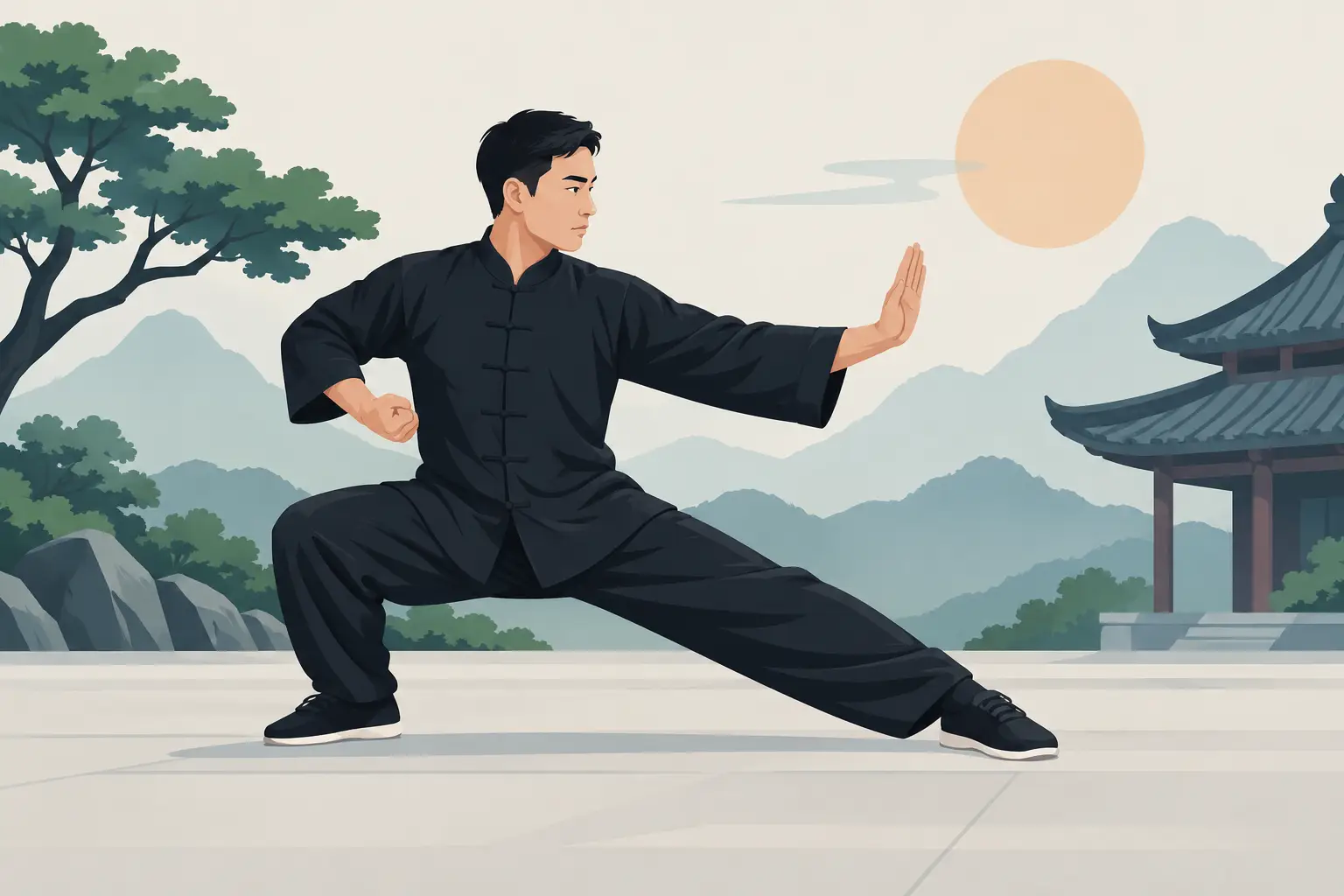
A good martial arts class should leave you more capable, not just more tired. That is the point of this Shiyong Kung Fu review: to explain what the system is designed to do, who it suits, and what you can realistically expect when you begin training.
Shiyong Kung Fu is not built around memorising long routines for display. It is a practical, close-range system for people who want usable self-defence skills, better fitness and the confidence that comes from training with purpose. For teenagers, adults and parents comparing martial arts options in Norwich, that difference matters.
What is Shiyong Kung Fu?
Shiyong Kung Fu takes Wing Chun principles as a foundation and develops them for modern self-defence. Wing Chun is known for its direct movement, close-range control and efficient striking. Shiyong keeps those useful ideas, then combines them with techniques and training methods drawn from other martial arts.
The aim is not to preserve tradition for tradition’s sake. The aim is to develop a fighting system that can be learned by ordinary people and applied under pressure. Training focuses on awareness, positioning, striking, defence, control and getting yourself to safety.
That makes it very different from martial arts that place competition, high kicks or performance routines at the centre of the syllabus. There is nothing wrong with those routes if sport or display is what you enjoy. But if your priority is practical self-defence, Shiyong offers a more direct path.
Shiyong Kung Fu review: what training feels like
A beginner does not need to be naturally athletic, strong or experienced. Classes are structured to help you build skills steadily, starting with stance, balance, coordination and the basic mechanics behind effective movement.
From there, students practise realistic close-range responses. This can include defending against grabs, understanding how to use distance, delivering direct strikes safely on pads, and learning how to avoid being tied up or overwhelmed at close quarters. The emphasis is on simple actions that can be repeated until they become more natural.
Training is active, but it should not feel like being thrown in at the deep end. A well-run class builds intensity sensibly. You work with partners, train drills and develop control before attempting more demanding scenarios. That matters for complete beginners, mature students returning to exercise, and teenagers who may be unsure about joining their first martial arts class.
There is also a clear mental side to the training. You learn to stay focused when someone is close, make decisions without panicking, and use assertive body language. Those are valuable skills long before a physical response is ever needed.
Why the close-range focus is useful
Many confrontations do not begin at kicking distance. They begin with someone standing too close, grabbing clothing or an arm, blocking your path, pushing, or making you feel intimidated. In those moments, complicated techniques can be difficult to use.
Shiyong Kung Fu concentrates on direct solutions for this range. Rather than relying on flexibility or a powerful build, it teaches body positioning, timing and technique. A smaller person can still learn to create space, disrupt an attacker’s balance and move away.
That does not mean martial arts provides a magic answer to every situation. Size, surprise, environment and the number of people involved always affect risk. The sensible goal of self-defence is not to win a fight. It is to avoid trouble where possible, protect yourself when necessary and get clear safely.
For parents, this practical approach also supports anti-bullying awareness. Young people benefit from knowing how to recognise escalating behaviour, use their voice, set boundaries and seek help. Physical skills are one part of confidence, not a replacement for good judgement.
Fitness without the gym routine
People often join for self-defence and stay because they feel fitter, sharper and more confident. Shiyong Kung Fu training works the whole body through striking drills, movement, conditioning and partner practice. Over time, students commonly notice better stamina, coordination, posture and mobility.
It also gives exercise a clear purpose. Instead of counting repetitions alone, you are improving a skill. You can feel a technique become cleaner, react faster in a drill, or see that you can train for longer than you could a few weeks earlier. That sense of progress keeps many people consistent.
The pace can be adapted to the individual. Someone who wants to push their fitness will find plenty of challenge, while a newcomer can build up gradually. Consistency is more useful than trying to do too much in your first week and giving up before training becomes a habit.
Is Shiyong Kung Fu suitable for teenagers and adults?
For ages 13 and above, it can be an excellent fit. Teenagers often gain more than physical confidence. Regular training gives them a constructive routine, clear standards of behaviour and a place where effort matters. It can be especially useful for those who spend too much time on screens, lack confidence in group settings or need a positive outlet for stress.
Adults come for different reasons. Some want practical self-defence after years away from exercise. Some are looking for an alternative to a conventional gym. Others have always wanted to train but assumed they were too old, unfit or inexperienced to start. None of those reasons are barriers.
The best classes create a serious but welcoming environment. Students should be expected to work, listen and treat training partners with respect. At the same time, nobody should feel judged for being new. At Fusion Kung Fu, the focus is on helping each person improve from their own starting point.
What Shiyong Kung Fu does not promise
An honest review should be clear about the trade-offs. Shiyong Kung Fu is not a competition sport, so it may not suit someone whose main goal is medals, tournaments or a heavily rules-based sparring environment. It is also not centred on acrobatic kicks, elaborate forms or cinematic movement.
Its value comes from practical repetition. You will practise foundations, partner drills and controlled responses many times. That can be demanding, particularly when you are learning to coordinate your hands, feet and attention at once. But repetition is how movements become dependable rather than theoretical.
You should also expect progress to take time. Confidence is earned through regular attendance and measured challenge. A single class can show you what the system feels like, but genuine skill develops over months and years of training.
How to judge whether a class is right for you
When choosing any martial arts school, look beyond the style name. Watch how instructors speak to beginners, how students train with one another and whether safety is taken seriously. The right club should explain what it teaches in plain English and make it clear that self-defence includes awareness, avoidance and restraint.
Ask yourself what you want from training. If you want functional close-range skills, better fitness and a disciplined community, Shiyong Kung Fu deserves serious consideration. If your priority is competitive fighting, traditional forms or high-level kicking, another style may fit your goals more closely.
A free taster session is the simplest way to decide. You can experience the class atmosphere, meet the instructors and see whether the coaching style works for you without pressure to already know what you are doing.
The most useful martial art is the one you will attend consistently. Choose a class that challenges you, gives you confidence and makes you want to return next week ready to improve.
About the Author: Keith Ratcliffe
