Here’s What We Cover
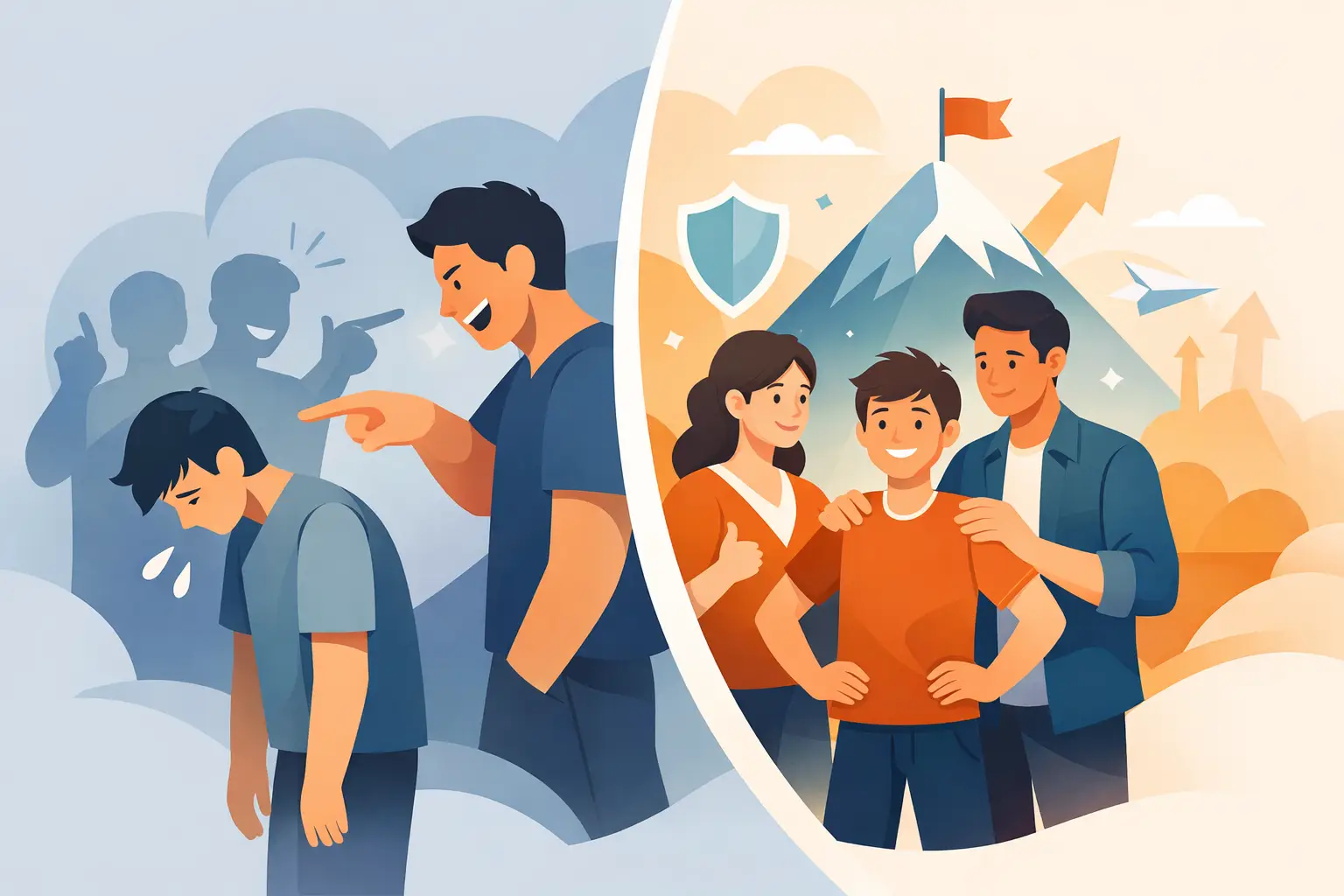
A young person should never feel that being bullied is something they simply have to put up with. The best anti bullying strategies are not about teaching someone to fight every problem. They are about helping them recognise unsafe behaviour, set clear boundaries, get the right support and carry themselves with calm confidence.
For parents, the difficult part is often knowing when to step in and when to help a teenager build their own voice. For teenagers, it can feel risky to speak up when the people involved are in the same classroom, friendship group or online chat every day. A practical plan makes that pressure easier to handle.
What bullying can look like
Bullying is repeated behaviour intended to hurt, intimidate, isolate or control someone. It may be physical, but it is just as often verbal, social or online. Name-calling, rumours, threats, deliberately excluding someone, sharing embarrassing images and repeated unwanted messages can all have a serious effect.
Not every disagreement is bullying. Friends fall out, people say thoughtless things and conflict happens. The key difference is the pattern and the imbalance of power. If one person is repeatedly targeting another, or someone feels afraid to attend school, travel home or check their phone, it needs to be taken seriously.
A teenager does not need to prove they are upset enough before asking for help. Feeling unsafe, singled out or constantly on edge is reason enough to speak to a trusted adult.
Best anti bullying strategies start with safety
The first aim is to reduce danger, not to win an argument. If there is a threat of violence, a young person should move towards other people, staff or a safe public place rather than staying alone to sort it out. They should contact a parent, carer, teacher or another trusted adult as soon as possible.
When the behaviour is less immediate but ongoing, encourage a simple safety plan. This may mean walking between lessons with a friend, changing the route home, staying near supervised areas at break time, or agreeing who to call if something happens. These are not signs of weakness. They are sensible decisions that take control away from the bully.
Online bullying needs the same serious response. Screenshots, dates, usernames and copies of messages can help adults and schools see the pattern clearly. Save evidence before blocking or reporting an account where possible. Avoid replying in anger, as a reaction is often exactly what the other person wants.
Use calm, firm boundaries
A clear boundary can stop lower-level behaviour before it grows. The message should be short, direct and free from insults: “Stop. Don’t speak to me like that.” Or: “Leave me alone.” There is no need for a long explanation or a clever comeback.
This works best when the young person can say it in a steady voice, make sensible use of distance and then leave. The goal is not to embarrass the other person or prove toughness. It is to show that the behaviour has been noticed, is not acceptable and will not draw them into a scene.
Of course, a verbal boundary is not suitable when someone is physically threatening, blocking an exit or part of a larger group. In those situations, leaving safely and finding help comes first. Good judgement matters more than following one rule every time.
Report early and report clearly
Many young people stay quiet because they worry that reporting will make matters worse or label them a grass. That concern is understandable, but silence often allows a pattern to continue. Asking for help is not creating trouble. It is giving responsible adults the information they need to deal with it.
Encourage teenagers to explain what happened in practical detail: who was involved, what was said or done, where it took place, who saw it and whether it has happened before. A written record on a phone or notebook can make this much easier, especially if they feel nervous during a conversation.
Parents should listen without immediately taking over. Start by asking what the young person needs right now and who they would feel comfortable speaking to. Then follow up with the school or organisation involved, keeping the focus on safety, evidence and the action needed. A good report is calm, specific and persistent if the problem continues.
Build confidence that does not depend on aggression
Bullies often look for a reaction, an easy target or someone who seems isolated. Confidence cannot guarantee that a person will never be targeted, and nobody should be blamed for being bullied. However, confident body language, awareness and the ability to communicate clearly can reduce vulnerability and help a young person respond more effectively.
This kind of confidence is built through regular practice. A teenager who learns to stand balanced, use their voice, manage nerves and cope with controlled pressure begins to see themselves differently. They are less likely to freeze when challenged and less likely to feel they must impress others by acting aggressively.
Martial arts can be valuable here when it is taught responsibly. The right training is not about encouraging children to use force over minor conflict. It develops discipline, awareness, restraint and practical self-defence skills for serious situations where escape is not immediately possible. It also gives young people a positive group outside school, where effort and respect matter more than popularity.
At Fusion Kung Fu, students aged 13 and above train in a structured, supportive environment focused on practical skills, fitness and self-control. For many beginners, the biggest change is not a dramatic physical transformation. It is walking taller, speaking more clearly and knowing they can stay composed under pressure.
Help teenagers practise real responses
Confidence grows faster when a young person has rehearsed what to do. Parents can calmly role-play common situations at home. Practise a firm instruction to stop, turning away and walking towards help, making a phone call, or telling a teacher exactly what happened. Keep it brief and realistic rather than turning it into a lecture.
It also helps to discuss the difference between standing up for yourself and escalating a situation. Shouting back, posting a revenge message or gathering friends to confront someone may feel satisfying for a moment, but it can make the situation more dangerous and complicate the school’s response. The strongest response is often controlled, witnessed and properly reported.
Encourage teenagers to stay connected to people who treat them well. One reliable friend, a supportive coach or a trusted family member can make a huge difference when someone feels isolated. Bullying thrives when a person believes they are alone with it.
When parents should take urgent action
Some situations need immediate intervention rather than a gradual plan. Act quickly if there are threats of violence, physical assault, sexual harassment, blackmail, hate-based abuse, stalking, sharing of intimate images, self-harm concerns or a clear change in your child’s wellbeing. Contact the school, relevant safeguarding staff or emergency services where there is immediate danger.
Watch for quieter signs too. A teenager may become withdrawn, avoid school, lose sleep, complain of frequent illness, become unusually angry or stop doing activities they once enjoyed. These changes do not always mean bullying, but they are worth a patient conversation.
The aim is not to make a young person feel watched or incapable. It is to make sure they know support is available before the pressure becomes overwhelming. Keep asking, keep listening and make it clear that they will not be punished for telling the truth.
A young person does not need to become louder, tougher or someone they are not to deal with bullying. They need practical choices, people in their corner and the confidence to use both. With steady support and useful skills, they can take up space safely, speak up early and move forward with greater self-belief.
About the Author: Keith Ratcliffe
