Here’s What We Cover
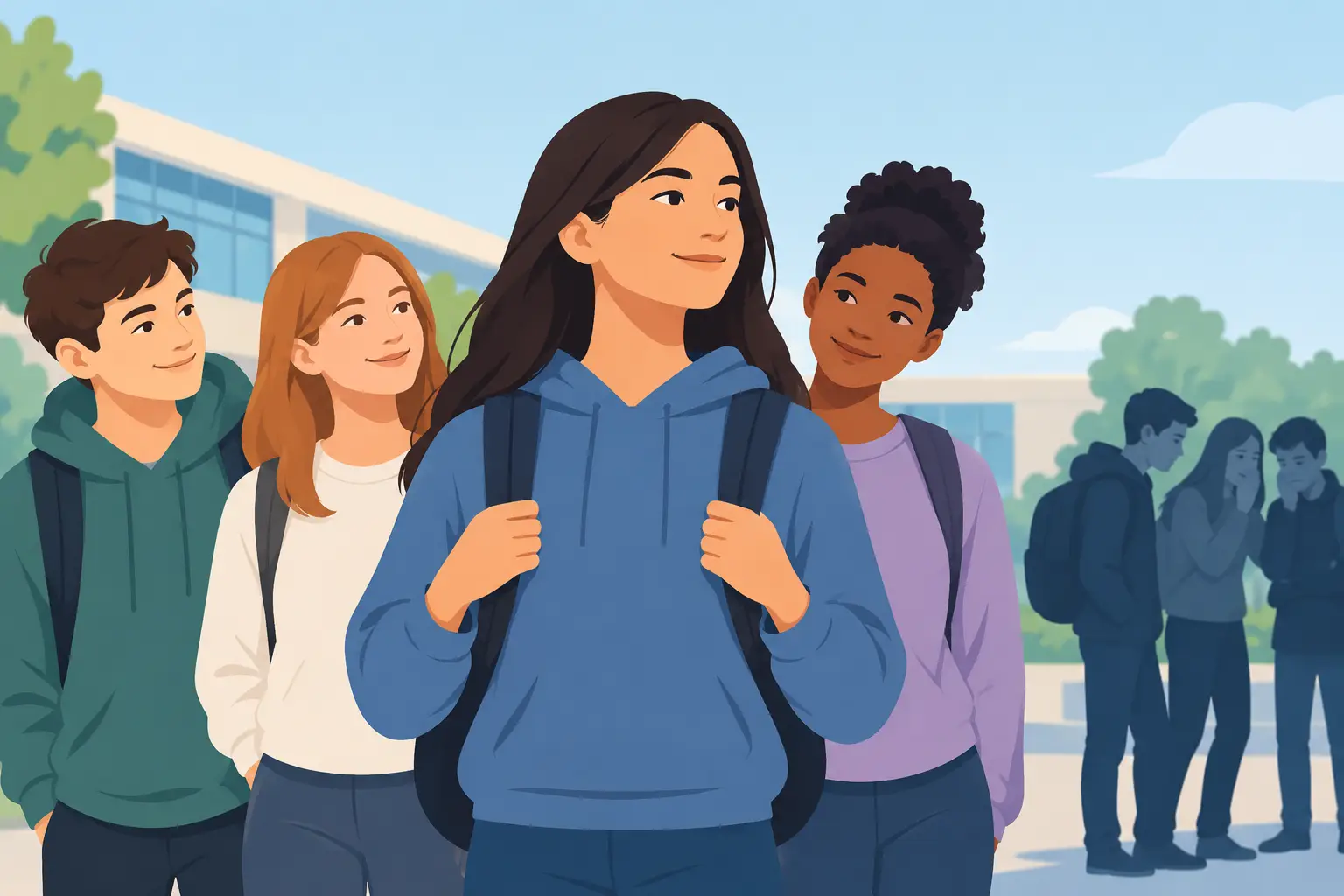
A child who is being picked on rarely needs a lecture about “standing up for yourself”. They need adults who listen properly, a clear plan for what happens next, and the confidence to act without making a dangerous situation worse. Effective anti bullying support is not about teaching young people to win fights. It is about helping them stay safe, set boundaries and know they are not alone.
For parents, the signs can be easy to miss at first. A teenager may suddenly avoid school, withdraw from friends, complain of frequent headaches, lose interest in activities they once enjoyed or become unusually angry at home. Some will say nothing because they fear being blamed, embarrassed or told to ignore it. That is why calm, practical conversations matter.
Anti bullying means action, not slogans
Bullying is repeated behaviour intended to hurt, intimidate, isolate or control someone. It can be physical, verbal, social or online. A single argument between friends is not always bullying, but a repeated pattern, especially where there is a power imbalance, needs to be taken seriously.
The goal should be to stop the behaviour, protect the young person and restore their confidence. Telling someone to “just walk away” may sometimes be sensible, but it is not a complete plan if the bullying follows them through lessons, group chats, the journey home or social media.
Start by listening without interrupting. Ask what happened, where it happened, who was involved and whether anyone saw it. Avoid rushing straight to solutions. A teenager who feels heard is far more likely to keep talking and accept help.
Next, record the details. Dates, times, screenshots, messages, photos of damage or injury, and names of witnesses can all help a school identify a pattern and respond properly. Report concerns through the school’s established safeguarding or pastoral channels, and keep a written note of the communication. If there is an immediate threat, assault, harassment or serious online abuse, seek urgent support from the appropriate authorities.
Confidence changes how young people respond
Confidence does not mean being loud, aggressive or ready to prove something. Real confidence is quieter. It shows in posture, eye contact, a clear voice and the ability to leave a confrontation without being drawn into it.
That matters because bullying often feeds on visible uncertainty and isolation. It does not mean a confident child can never be targeted, and nobody should suggest they are responsible for another person’s behaviour. But confidence can give them more choices in a difficult moment.
A useful boundary is short, direct and controlled: “Stop.” “Don’t speak to me like that.” “Move away.” There is no need for insults, long explanations or threats. The purpose is to make the boundary clear while reducing the chance of escalation.
Young people also need permission to get help. Reporting is not weakness and it is not “grassing”. It is a sensible response to repeated harm. The same applies online. Blocking, saving evidence, reviewing privacy settings and telling a trusted adult are usually more effective than replying in anger or trying to win an argument in a group chat.
Where martial arts fit into anti bullying support
Martial arts training can be a valuable part of a wider anti bullying approach, particularly for teenagers who need structure, fitness and a stronger sense of themselves. It is not a magic shield, and it should never be presented as permission to fight. Good training teaches control before technique.
At Fusion Kung Fu, students aged 13 and above train in a practical, close-range system designed around realistic self-defence. The focus is not on trophies, complicated forms or looking impressive. It is on awareness, movement, discipline and learning how to stay composed under pressure.
For a teenager who feels physically intimidated, regular training can be transformative. They learn that strength is not only about size or body weight. They improve balance, coordination and fitness, but they also practise listening, concentrating and working respectfully with other people. Progress is earned over time, which builds genuine self-belief rather than false bravado.
Most importantly, a well-run class teaches restraint. Students learn that physical skills come with responsibility. Avoidance is always better than confrontation where possible. Creating distance, using a firm voice, moving towards other people and getting help are sensible first options. Physical self-defence is for protecting yourself when there is no safe alternative, using only the force needed to escape danger.
That distinction reassures many parents. The aim is not to turn a worried teenager into someone looking for trouble. It is to help them become harder to intimidate, more aware of their surroundings and better able to make safe decisions.
What parents can do at home
A child is more likely to speak up when they know they will be met with support, not panic. Make space for regular conversation beyond the question, “How was school?” Ask who they spent time with, what felt difficult that day and whether anything online has made them uncomfortable.
Try not to take over immediately, even when your instinct is to protect them. Depending on their age and the seriousness of the situation, involve them in the plan. Agree what will be reported, who will be contacted and what they would like to happen next. This gives them some control at a time when bullying may have made them feel powerless.
It also helps to build a routine that is bigger than the problem. Regular exercise, supportive friendships, enough sleep and time away from social media all make it easier to manage stress. A martial arts class can provide a positive weekly anchor: a place where effort is respected, progress is visible and everyone works to the same standards.
Watch your own language too. Phrases such as “hit them back” or “ignore it and it will stop” can leave a child feeling trapped between bad options. A better message is: “You deserve to be safe. We will deal with this together. You do not have to handle it on your own.”
The practical skills worth building
Anti bullying support works best when a young person has a simple set of habits they can use under pressure. These do not need to be complicated. They need to be practised often enough to become natural.
A strong foundation includes:
- noticing early warning signs, such as being followed, surrounded or targeted online;
- standing with balanced posture and keeping a safe distance where possible;
- using a clear, assertive voice without shouting or insulting;
- moving towards safe adults, friends or public spaces rather than becoming isolated;
- recording and reporting repeated incidents; and
- knowing that leaving safely is a success, not a defeat.
These skills apply far beyond school. Teenagers carry them into college, work, public transport and everyday social situations. The ability to stay calm when somebody else is trying to provoke a reaction is a serious life skill.
A safer, stronger way forward
No parent can remove every difficult person from their child’s life. What you can do is make sure they have support, practical options and a place where they can grow stronger without judgement. If bullying is affecting your teenager, take it seriously early, work with the school and help them build confidence in a structured environment.
A free taster session can be a straightforward first step for a young person who wants to feel fitter, more focused and more capable. The real goal is not to teach them to fight. It is to help them carry themselves with the calm confidence that says they know their worth and know how to protect it.
About the Author: Keith Ratcliffe
