Here’s What We Cover
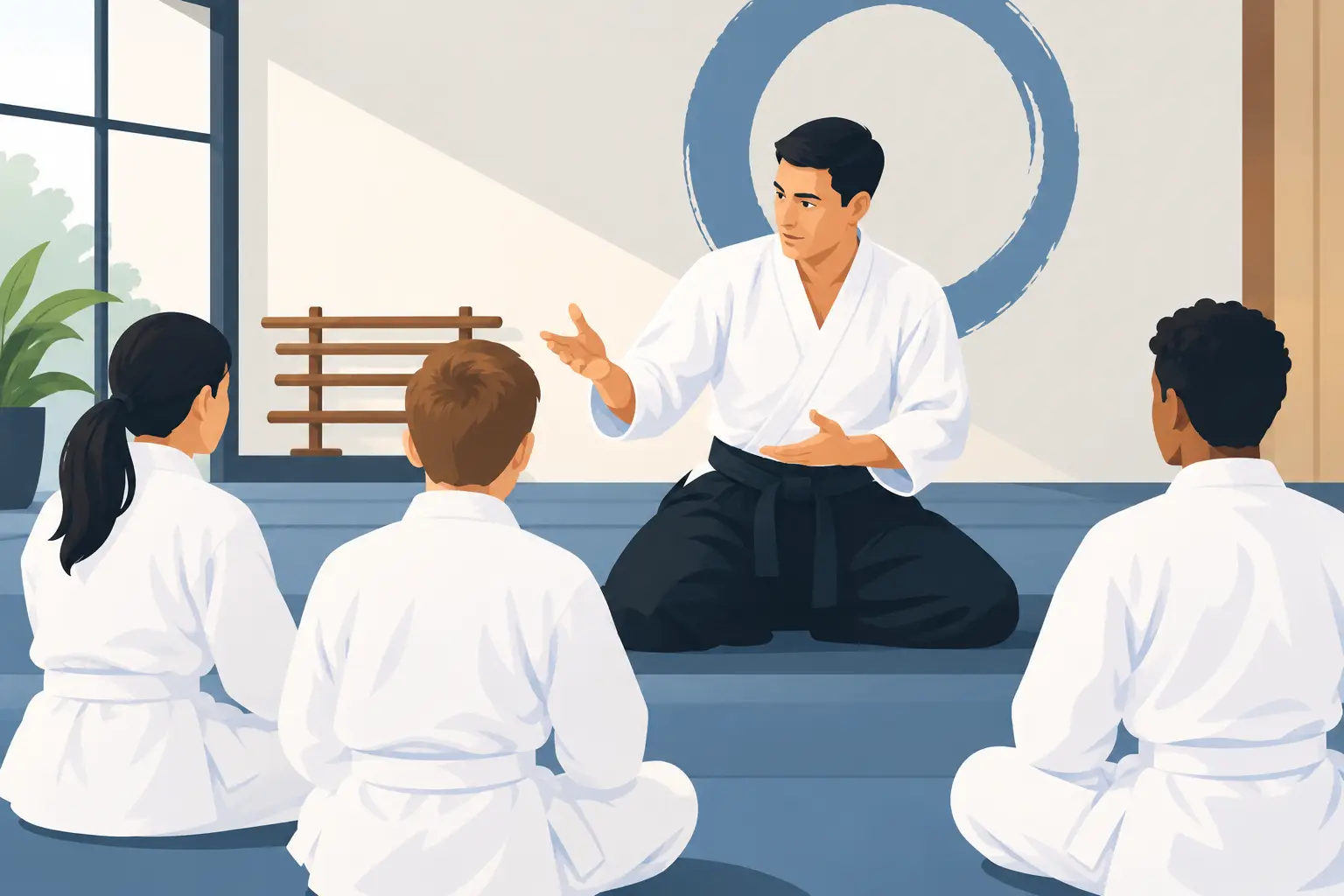
A martial arts class can look impressive from the outside: lines of students, uniforms, pads and fast techniques. But the real difference is not the room or the badge on a T-shirt. It is the quality of the martial arts instructors leading the class, how they teach under pressure, and whether every student is given a safe, practical way to progress.
For parents, teenagers and adults in Norwich, choosing the right instructor matters because training can shape far more than fitness. A good class can improve confidence, discipline, awareness and resilience. A poorly run class can leave people feeling overlooked, intimidated or falsely confident about their ability to handle a difficult situation.
Good martial arts instructors teach more than techniques
A practical instructor does not simply show a movement, count to ten and move on. They explain why a technique works, when it may not work, and how a student can apply the principle safely. That matters particularly in self-defence training, where the goal is not to win points or perform for an audience. The goal is to recognise danger early, create an opportunity to get away and stay as safe as possible.
At Fusion Kung Fu, training is built around practical close-range skills rather than unnecessary tradition or complicated routines for their own sake. Shiyong Kung Fu uses Wing Chun foundations alongside useful elements from other martial arts, giving students a direct and adaptable approach. It is not about being the biggest person in the room. It is about balance, timing, positioning, awareness and making sensible decisions.
A good instructor will make this clear from the start. They will not promise that a few classes make someone invincible. Real self-defence is more responsible than that. It includes avoiding confrontation where possible, using your voice, understanding personal space and knowing when leaving is the strongest option.
What beginners should feel in a well-run class
Starting martial arts can feel daunting, especially for an adult who has not trained for years or a teenager worried about looking inexperienced. The right class feels focused, but not hostile. You should expect standards and effort, yet you should not be made to feel foolish for asking questions or needing time to learn.
The best martial arts instructors break skills down into manageable stages. First, students learn the shape of a movement. Then they practise it with control. Over time, they add timing, resistance and decision-making. This approach is safer and more useful than throwing beginners into hard sparring before they have the control or confidence to benefit from it.
For a young person, this structure is especially valuable. Progress comes from regular practice, listening, trying again after mistakes and seeing improvement over time. These habits carry into school, work and everyday life. Training becomes a place where effort has a clear result.
A class should also have a calm, respectful atmosphere. Discipline is not about shouting or trying to scare students into compliance. It is about learning to concentrate, look after training partners and take responsibility for your own behaviour. Students should leave challenged, not crushed.
Practical training must be safe training
There is a common misunderstanding that realistic martial arts training has to be rough, uncontrolled or intimidating. It does not. Effective training needs pressure, but pressure should be introduced at the right pace and with clear supervision.
A capable instructor knows the difference between helping students stretch themselves and putting them at unnecessary risk. They pay attention to positioning, safe contact, protective equipment where appropriate and the ability level of the people in front of them. They correct poor habits early, before those habits become harder to change.
This is important for every age group. Teenagers may have plenty of energy but still need guidance on control and respect. Adults may be returning to exercise after a long break and need coaching that builds fitness steadily. Neither group benefits from being treated as though everyone has the same body, confidence level or experience.
There is also a difference between training hard and training carelessly. A good session can raise the heart rate, test focus and leave you feeling that you have worked. It should not rely on humiliation, reckless contact or pressure to prove yourself. Long-term progress comes from consistent training, not one exhausting session followed by weeks away through injury or loss of confidence.
Look for clear coaching, not empty promises
Martial arts can involve a lot of bold claims. Some clubs promise instant confidence, unstoppable fighting ability or secret techniques that solve every problem. Parents and beginners should be cautious of any instructor who makes training sound too easy or too certain.
Real coaching is specific. An instructor should be able to explain what students are working on and why. They should give useful feedback rather than vague praise. “Keep your hands up” is a start; explaining how your position helps protect you, create space and recover balance is better.
Good instructors also adapt. A technique may need adjusting for a shorter student, someone with limited mobility or a person who is naturally nervous about contact. The principle can remain the same while the method is made workable for the individual. That is far more valuable than forcing every student into one fixed mould.
This does not mean standards disappear. Training should be demanding enough to create change. It means the instructor understands that people improve at different rates and that confidence cannot be built by comparing beginners with advanced students.
The role of confidence in anti-bullying awareness
Confidence is often described as the main benefit of martial arts, but it is worth being precise about what that means. Genuine confidence is not aggression, showing off or looking for a fight. It is being able to stand with better posture, speak more clearly, hold boundaries and make calmer choices when someone tries to pressure you.
For teenagers dealing with bullying or difficult social situations, this can be significant. Martial arts training can help them feel less helpless because they are learning awareness, communication and practical physical skills in a controlled setting. It cannot solve every issue alone, and serious bullying should always involve parents, schools and appropriate support. But it can give a young person a stronger foundation from which to respond.
A responsible instructor will never encourage students to use force to settle arguments. They will teach restraint alongside capability. That balance is one of the clearest signs of mature martial arts coaching.
Progress should be earned and visible
People stay with martial arts when they can see a path forward. That may include improving fitness, becoming more comfortable with drills, developing sharper technique or working through a grading structure. The details vary between clubs, but the principle is the same: students need goals that are meaningful and achievable.
Good instructors make progress visible without making every class about belts or status. A beginner who once struggled to coordinate a simple drill may later perform it smoothly under pressure. An adult who arrived feeling unfit may notice they can train longer, move better and recover more quickly. These are real milestones.
Advanced training has a role too, but it should not be rushed. Technical skill, control and sound judgement need time to develop. A quality instructor will not flatter students into believing they are ready for situations they have not properly trained for. Honest feedback is part of respect.
Questions worth asking before joining
Before committing to a club, ask how beginners are introduced, what safety measures are in place and how instructors help students progress. Observe whether students are treated with respect and whether the class has a clear purpose beyond simply getting tired.
It is also sensible to ask what kind of training is prioritised. Some people want competition and sport. Others want fitness, self-defence and confidence. Neither aim is wrong, but the class should match your reason for starting. If practical, modern self-defence is your priority, look for instruction that includes awareness, close-range skills, controlled pressure and realistic decision-making.
A free taster session is often the best way to judge the atmosphere for yourself. Notice how the instructor speaks to beginners, how experienced students treat newer people and whether you feel encouraged to learn. You do not need to arrive already fit, flexible or confident. You need a willingness to start and an instructor who can show you what to do next.
The right martial arts instructor will challenge you without trying to intimidate you, keep training grounded in reality and help you earn confidence one session at a time. That is a strong place to begin.
About the Author: Keith Ratcliffe
